

Category: Pharmacy - Page 3
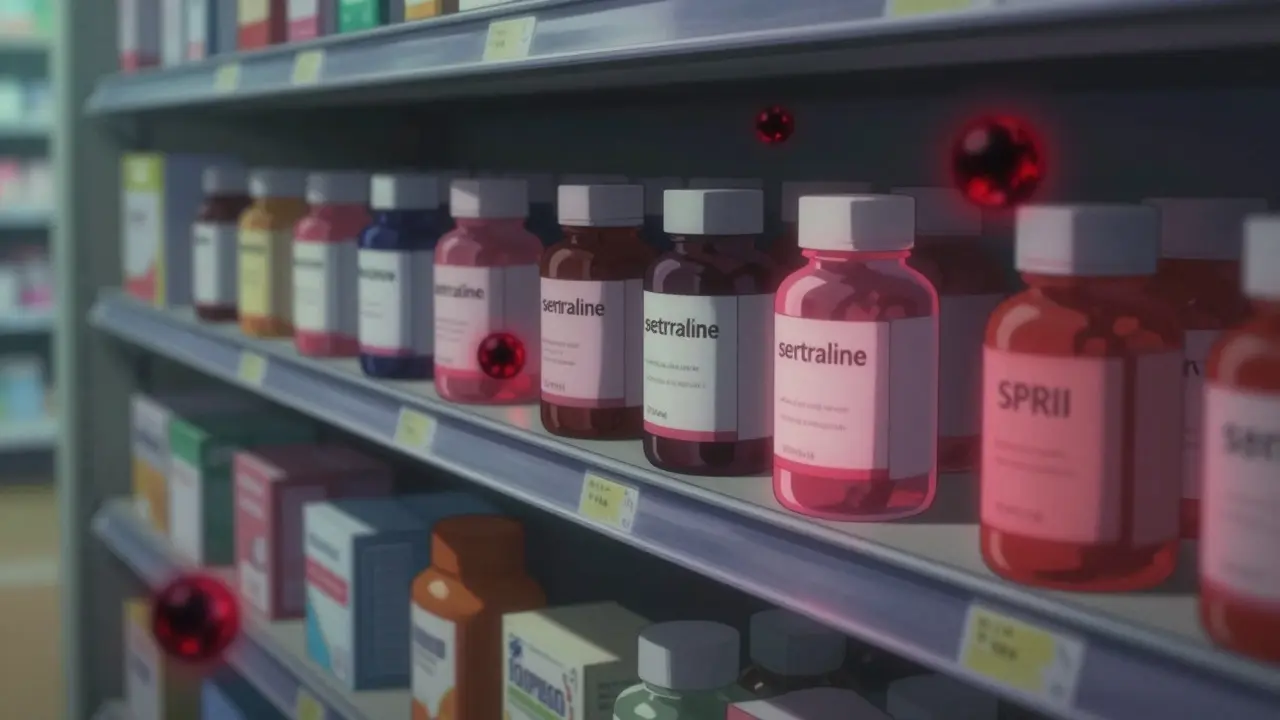
St. John’s Wort and SSRIs: The Hidden Danger of Serotonin Syndrome
Combining St. John’s Wort with SSRIs can trigger serotonin syndrome-a life-threatening condition. Despite being sold as a natural remedy, this herb dangerously boosts serotonin levels and interferes with common antidepressants. Experts warn against any use together.
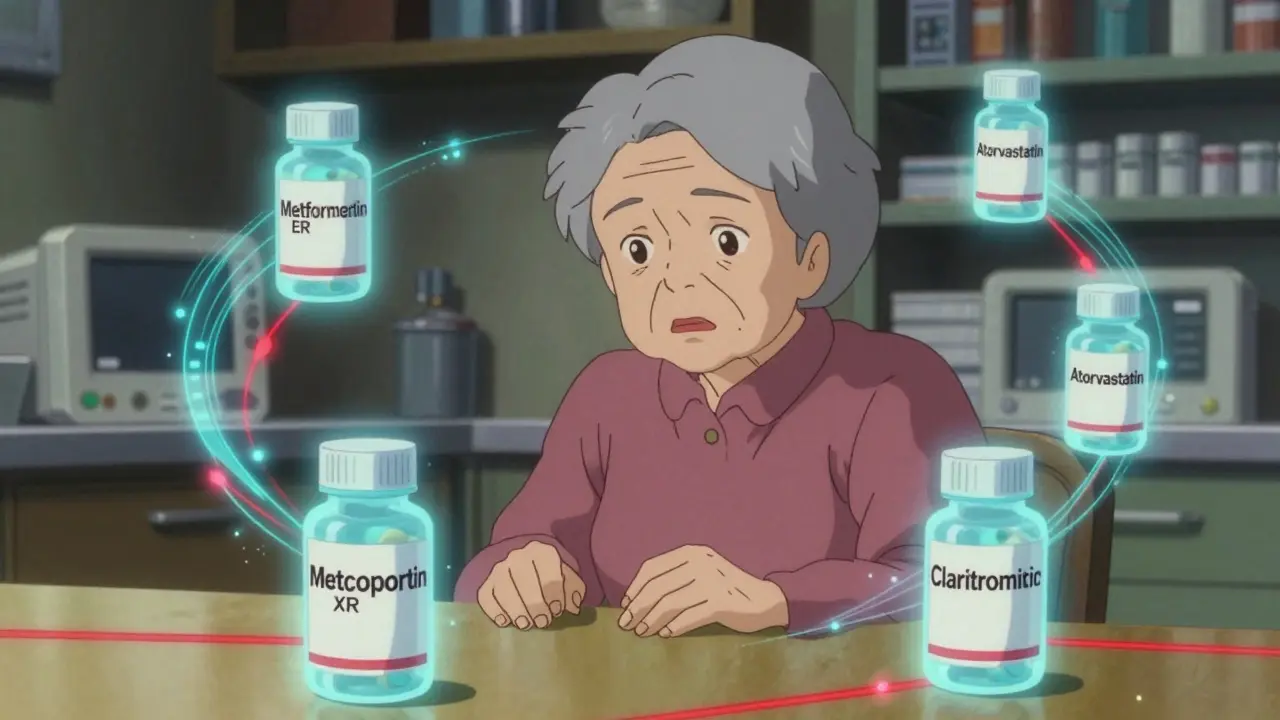
Generic Drug Interactions: How Digital Consultation Tools Keep You Safe
Digital consultation tools help prevent dangerous interactions between generic drugs, supplements, and prescriptions. Learn which apps work best, how to use them, and why they're essential for medication safety.

Rifampin and Birth Control: What You Need to Know About Contraceptive Failure Risks
Rifampin can make birth control pills, patches, and rings fail by speeding up hormone breakdown. This is the only antibiotic proven to cause contraceptive failure. Learn what backup methods actually work and how long you need to use them.

How to Check If a Generic Medication Is Available for Your Prescription
Learn how to check if a generic medication is available for your prescription and save up to 90% on drug costs. Find out how to use the FDA's Orange Book, talk to your pharmacist, and avoid common pitfalls.

Tentative Approval and Litigation: Navigating the Path to Generic Drug Market Entry
Tentative approval from the FDA lets generic drug makers prepare for market entry while patents are still active. But missing deadlines or mismanaging litigation can cost millions. Here’s how to navigate the system and avoid costly delays.
Serious Adverse Events: Reporting Procedures for Generic Drugs
Despite identical FDA regulations, serious adverse events from generic drugs are severely underreported. Learn why this gap exists, how to report correctly, and what’s being done to fix it.

How Generic Medications Save Thousands on Healthcare Costs
Generic medications save Americans billions each year by offering the same effectiveness as brand-name drugs at a fraction of the cost. Learn how generics work, how much you can save, and what to ask your doctor or pharmacist.
Generic Drug Approval Standards: Safety, Quality, and Strength Requirements
Generic drugs must meet the same safety, strength, quality, and bioequivalence standards as brand-name drugs under FDA oversight. Learn how the ANDA process ensures generics are just as effective-and why complex formulations take longer to approve.
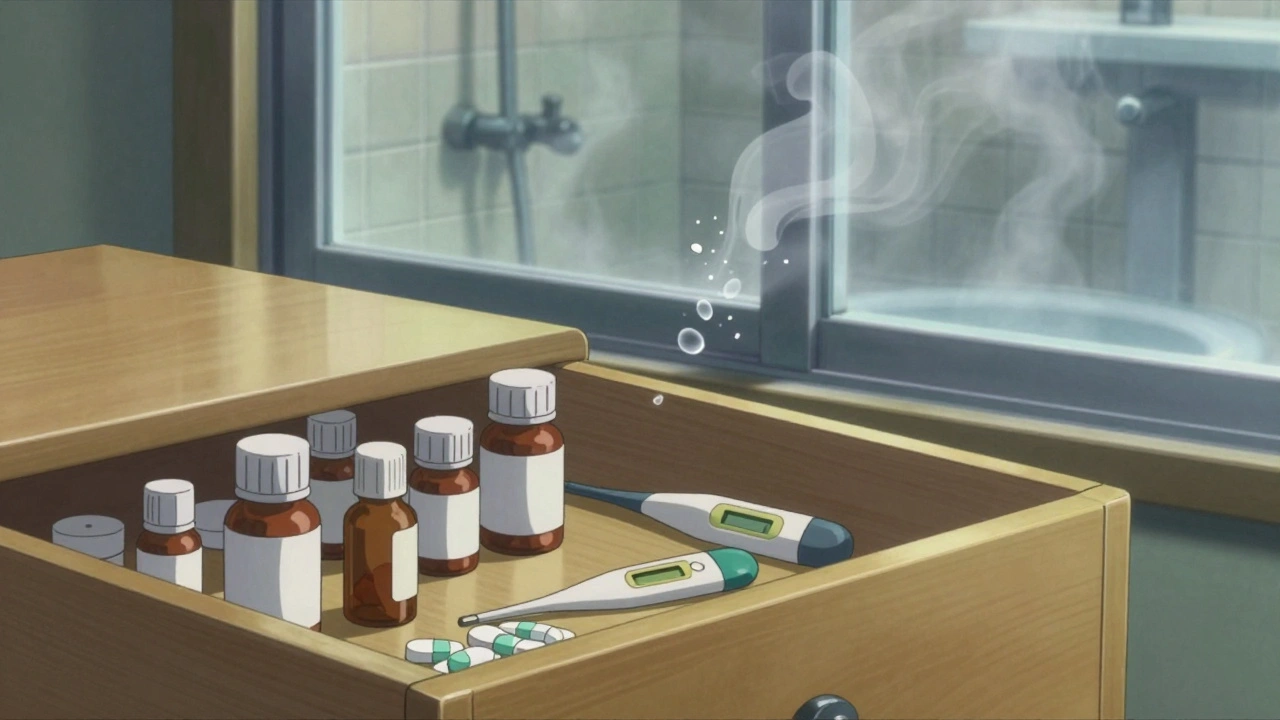
Temperature and Humidity Control for Safe Medication Storage: What You Need to Know
Proper temperature and humidity control for medication storage ensures drugs remain effective and safe. Learn the exact conditions needed, where not to store meds, and how to avoid costly, dangerous mistakes.
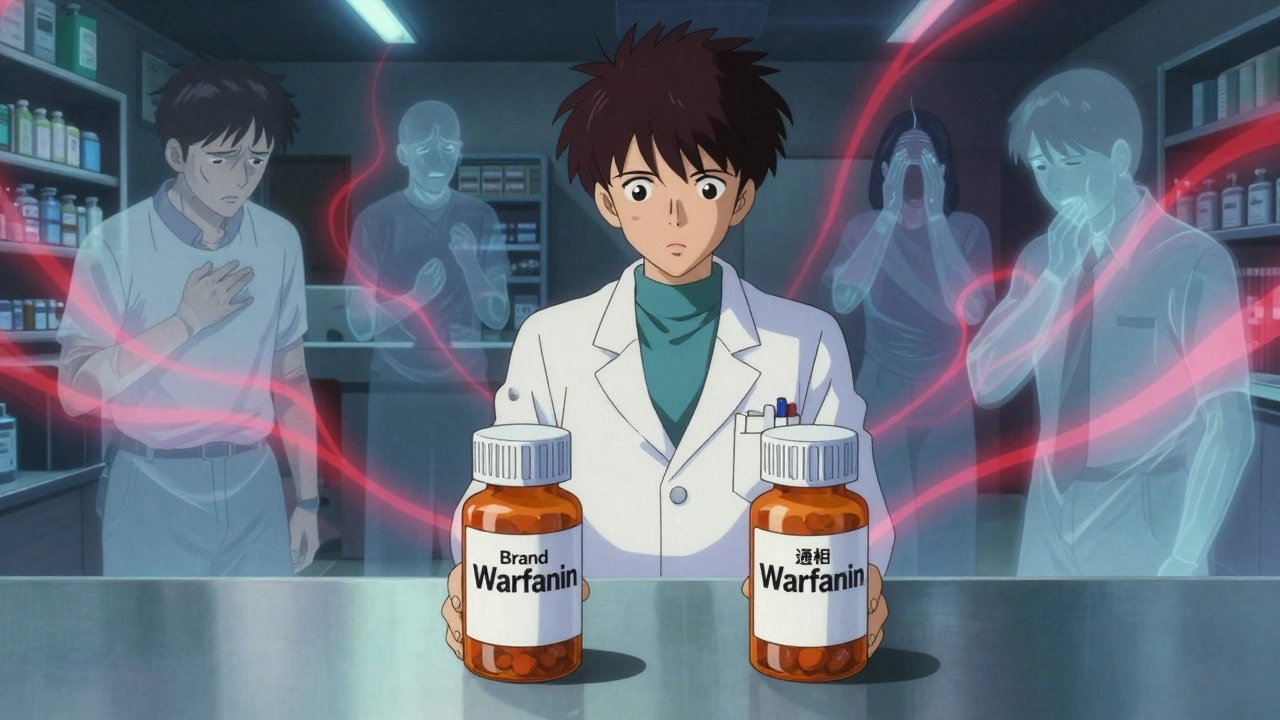
State Laws on NTI Substitution: Varying Requirements Across the US
State laws on NTI drug substitution vary widely across the U.S., with 27 states restricting generic swaps for medications like warfarin and levothyroxine due to safety risks. Federal rules allow substitutions, but clinical evidence shows dangerous outcomes when small dose changes occur.