

Opioid Respiratory Depression: Risks, Signs, and How to Stay Safe
When someone takes too much of an opioid painkiller—like fentanyl, oxycodone, or morphine—their breathing can slow down until it stops. This is called opioid respiratory depression, a dangerous drop in breathing caused by opioids suppressing the brain’s drive to breathe. It doesn’t always come with obvious signs like passing out. Sometimes, it starts quietly: shallow breaths, slow rate, or lips turning blue. This isn’t just a hospital problem—it happens at home, in recovery, and even when people follow their prescriptions exactly.
People on long-term opioid therapy, especially older adults or those with sleep apnea, are at higher risk. But so are people who use opioids recreationally or mix them with alcohol, benzodiazepines, or sleep aids. Even a small change in dose—like switching from one pill to another—can trigger it. naloxone, a fast-acting drug that reverses opioid effects can save a life if given in time. Many families now keep it on hand, just like an EpiPen. And respiratory failure, the end result of untreated opioid respiratory depression is what leads to death in most opioid overdose cases. It’s not about addiction—it’s about physiology. Your body’s breathing control gets turned down, and it can’t turn itself back on.
That’s why knowing the signs matters more than ever. Slowed breathing (less than 8 breaths per minute), unresponsiveness, pinpoint pupils, and a gray or blue tint to the skin are red flags. If you see them, call 911 and give naloxone if you have it. Don’t wait. Don’t assume they’re just sleeping. Many people who die from this never got help because someone thought they’d wake up on their own. The posts below cover real cases, safety tips, how naloxone works, and what doctors are doing differently now to prevent this. You’ll find advice on managing pain without risking your breathing, how to talk to your pharmacist about opioid risks, and what to do if you’re caring for someone on these drugs. This isn’t theoretical. It’s practical. And it could save someone you love.
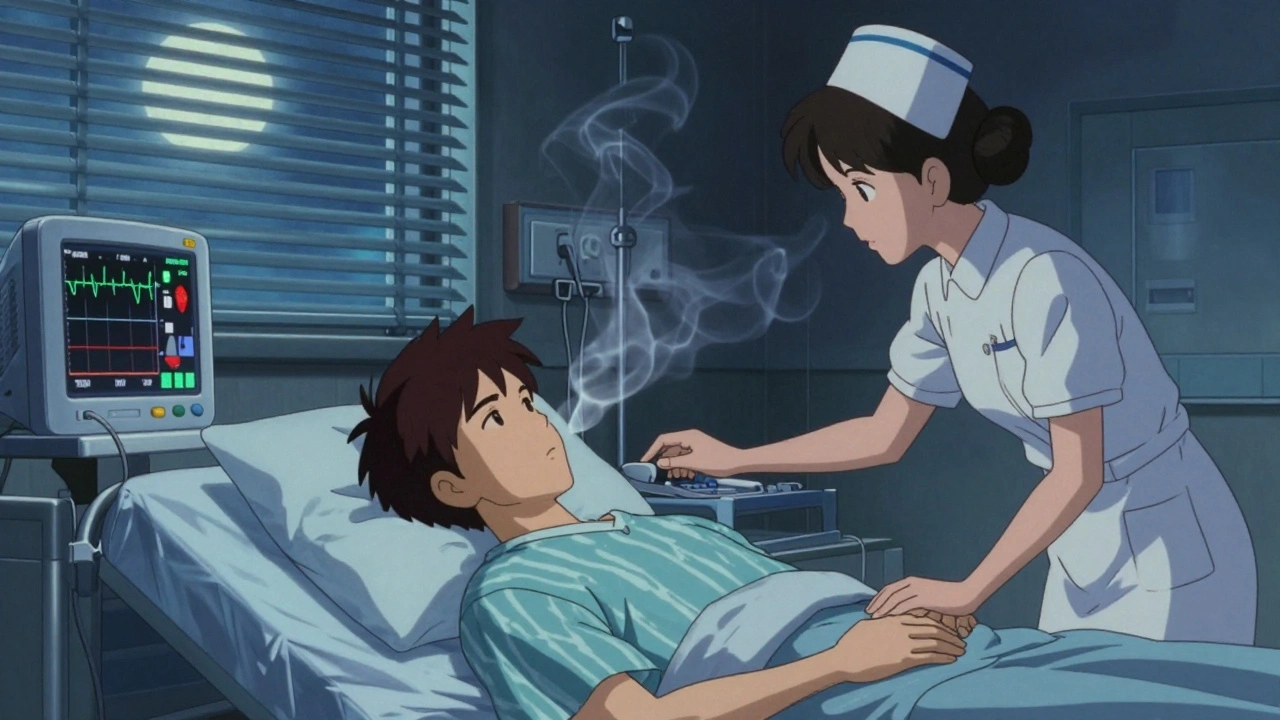
Respiratory Depression from Opioids and Other Medications: Critical Signs You Can't Ignore
Respiratory depression from opioids can be silent and deadly. Learn the critical signs - slow breathing, confusion, lethargy - and who’s most at risk. Early detection saves lives.