

CNS Depressant Risks: What You Need to Know About Sedatives, Opioids, and Alcohol Interactions
When your brain’s natural alertness gets turned down too far, you’re dealing with a CNS depressant, a class of drugs that slow down brain activity to reduce anxiety, induce sleep, or manage seizures. Also known as central nervous system depressants, these include prescription sedatives, sleep aids, opioids, and even alcohol when used in excess. They’re not inherently bad — but when misused or combined, they can stop your breathing, cause coma, or kill you.
Many people don’t realize how easily these drugs interact. A benzodiazepine, a common anti-anxiety medication like Xanax or Valium taken with a opioid, such as oxycodone or fentanyl for pain, multiplies the risk of respiratory failure. The CDC reports that over 70% of opioid-related deaths in recent years involved another CNS depressant. Even a single glass of wine with a sleep pill can be risky, especially for older adults or those with lung conditions. These aren’t hypothetical dangers — they show up in emergency rooms every day.
It’s not just about pills. Some people use alcohol to self-medicate anxiety or insomnia, not knowing it’s also a CNS depressant. Mixing it with prescriptions you’ve been given legally can turn a routine night into a medical emergency. And if you’ve ever been told to avoid alcohol while on medication, that’s not just a warning — it’s a lifesaving instruction. The real danger isn’t just the drug itself, but how easily it blends into daily life without anyone noticing the buildup.
What you’ll find below are real, practical guides from people who’ve seen these risks up close. You’ll learn how to spot early signs of overdose, why some painkillers are riskier than others, how to talk to your doctor about safer alternatives, and what to do if someone you care about is using these drugs unsafely. These aren’t theoretical discussions — they’re based on patient cases, clinical data, and hard-won experience from those who’ve lived through it.
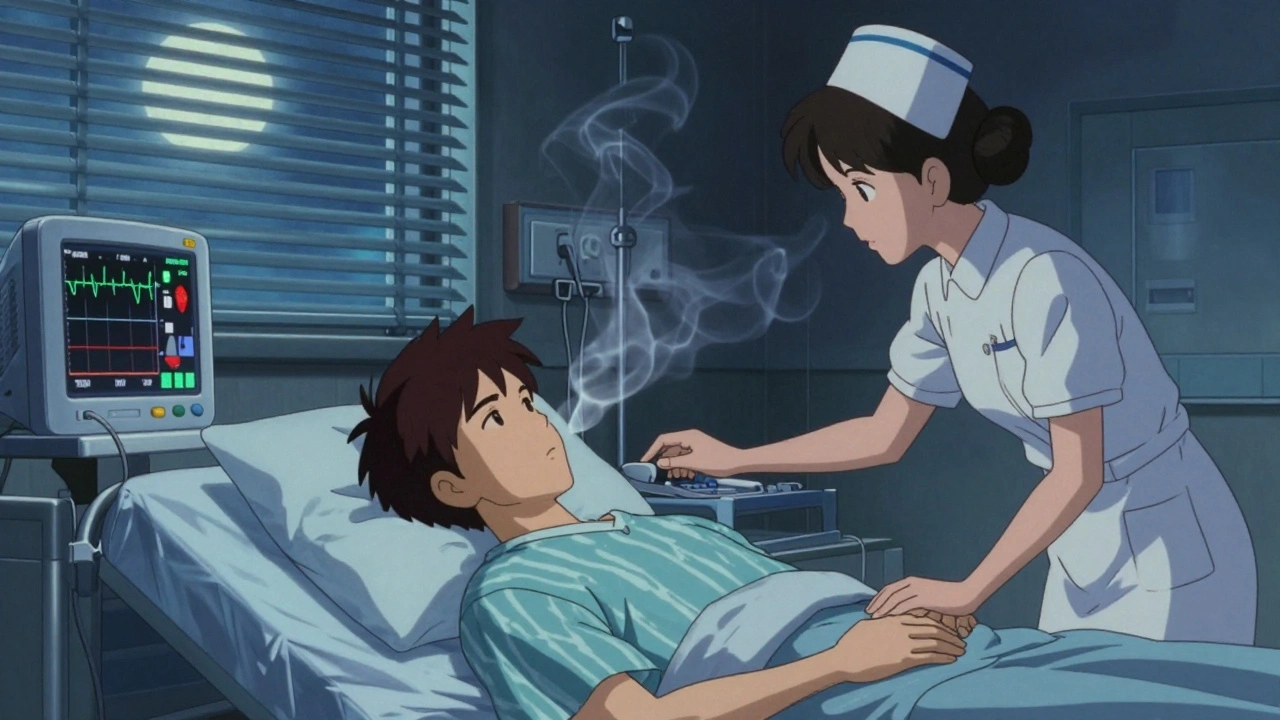
Respiratory Depression from Opioids and Other Medications: Critical Signs You Can't Ignore
Respiratory depression from opioids can be silent and deadly. Learn the critical signs - slow breathing, confusion, lethargy - and who’s most at risk. Early detection saves lives.