

Why You Shouldn't Flush Meds: Environmental Impact and Safe Disposal Alternatives
 Apr, 7 2026
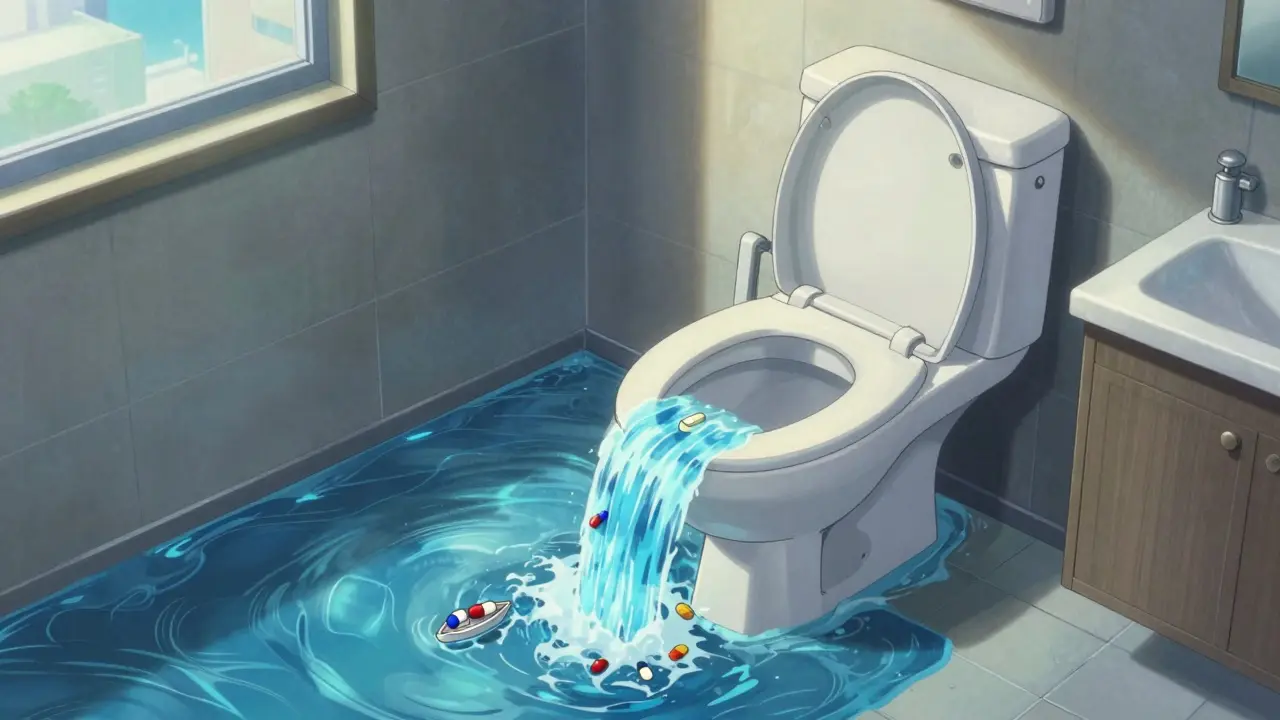
Most of us have a "junk drawer" or a medicine cabinet filled with half-used prescriptions and expired painkillers. When we finally decide to clear them out, the quickest solution seems to be swirling them down the toilet. It feels clean and efficient, but that's where the problem starts. Your bathroom plumbing isn't a magic eraser; it's a direct highway to the local ecosystem. When you flush a pill, you aren't getting rid of the chemicals-you're just moving them from your house into the water we all share.
The Invisible Leak in Our Water Systems
The core of the issue is that environmental impact of flushing medications isn't just about a few pills in a river; it's about the chemical makeup of the drugs themselves. Most Wastewater Treatment Plants are designed to filter out solids, bacteria, and nutrients. They are not chemical processing plants. They simply aren't equipped to remove dissolved Active Pharmaceutical Ingredients (APIs) from the water.
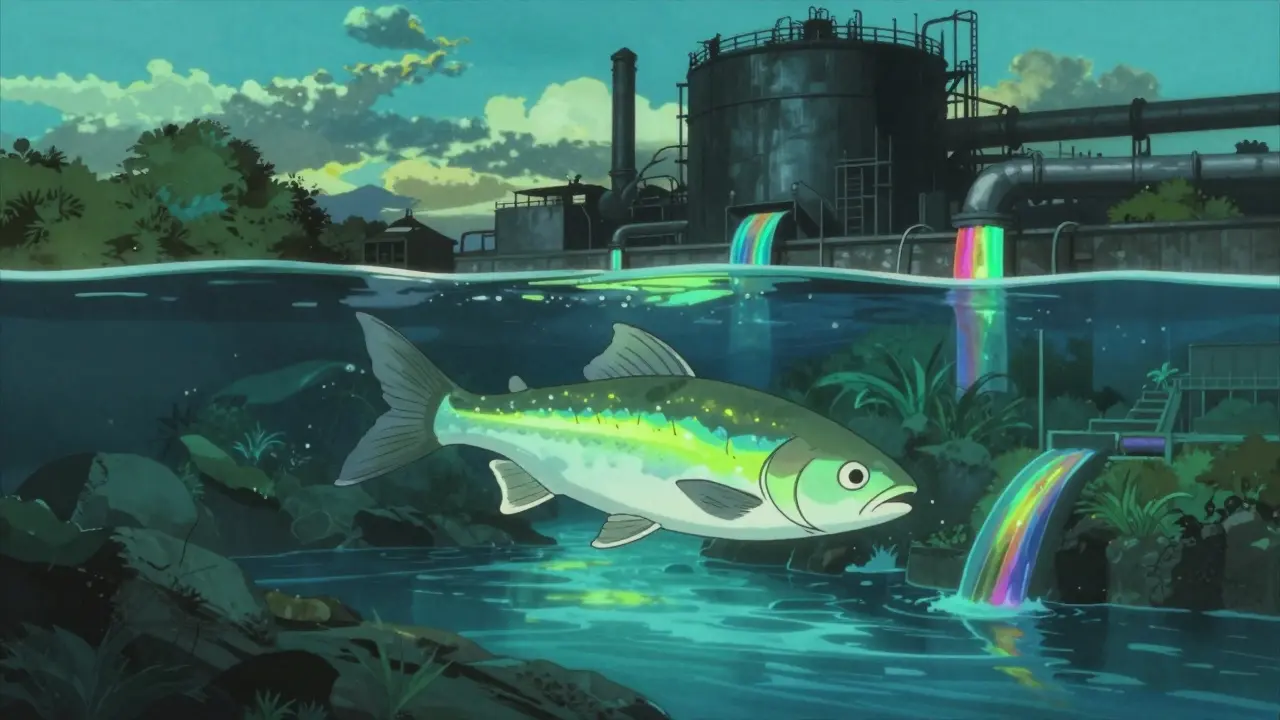
When these chemicals slip through the filters, they enter surface waters and groundwater. While the concentration might seem low-often under 100 ng/L in treated water-the long-term effects are alarming. For example, a landmark study by the U.S. Geological Survey found traces of pharmaceuticals in 80% of sampled waterways across 30 states. This means the drugs you thought were "gone" are actually swimming in the streams where fish live and the aquifers that feed our drinking water.
How Your Meds Change Local Wildlife
Pharmaceuticals are designed to be biologically active, meaning they are built to change how a body functions. When they enter a lake or river, they don't stop working; they just start affecting the wrong species. This leads to a process called biomagnification. An aquatic plant might absorb a trace amount of a drug; a small fish eats the plant, and a larger fish eats that small fish. By the time a human or a predatory bird eats the big fish, the concentration of the drug has spiked.
We're already seeing the damage. Exposure to estrogens and steroids has caused sexual abnormalities and endocrine disruption in fish, effectively altering their ability to reproduce. Furthermore, the presence of Antibiotics in waterways contributes to the rise of antibiotic-resistant "superbugs," making it harder for doctors to treat human infections. It's a feedback loop where our disposal habits eventually impact our own healthcare outcomes.
The Common Culprits: NSAIDs and Beyond
You don't have to be flushing heavy-duty narcotics to cause a problem. Some of the most common pollutants are NSAIDs (non-steroidal anti-inflammatory drugs). These include household staples like Acetaminophen, Ibuprofen, and Naproxen. Because these are used so widely, they are frequently detected in soil and drinking water.
Interestingly, the danger isn't always the original drug. Some medications break down into "daughter compounds" during the treatment process. In some cases, these secondary chemicals are actually more toxic to the environment than the original pill. Whether it's a septic system in a rural area or a massive city plant, the result is the same: chemical leakage into the biosphere.
| Method | Environmental Risk | Human Safety Risk | Recommendation |
|---|---|---|---|
| Flushing | High (Direct water contamination) | Low (Prevents diversion) | Avoid (Except FDA Flush List) |
| Trash/Landfill | Medium (Leachate seepage) | High (Accidental ingestion/pet risk) | Use with coffee grounds/litter |
| Take-Back Programs | Very Low (Controlled incineration) | Very Low (Secure collection) | Gold Standard |
The "Flush List" Confusion
If you've looked at official guidelines, you might be confused. The FDA actually maintains a specific "flush list." This includes high-risk opioids like Fentanyl and Oxycodone. Why the contradiction? Because for these specific drugs, the risk of a child or pet accidentally finding them in the trash-or someone stealing them for misuse-is considered a more immediate danger than the ecological damage caused by flushing them.
However, the flush list is very short. If your medication isn't explicitly on that list, the default answer is always "do not flush." Most people assume that if the FDA allows *some* drugs to be flushed, it's okay for all of them. That's a dangerous assumption that leads to tons of APIs entering our water systems every year.
Better Ways to Say Goodbye to Old Meds
So, what should you actually do with that bottle of expired pills? The best option by far is a Medication Take-Back Program. These are typically hosted at pharmacies, hospitals, or police stations. These programs ensure the drugs are incinerated professionally, preventing them from ever touching the water table or the soil.
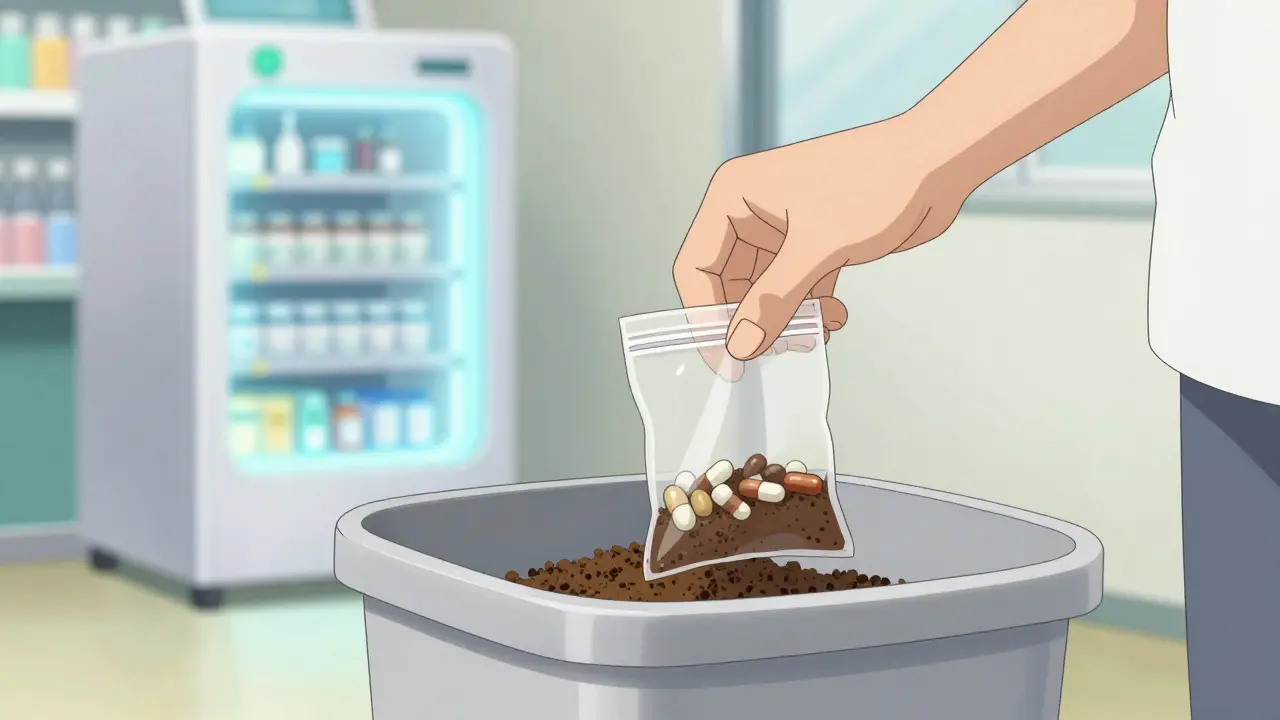
If you can't get to a take-back site, you can use the EPA-recommended home disposal method. Don't just throw the pill in the bin; mix it with something unappealing, like used coffee grounds or kitty litter. This makes the medication less attractive to pets or children and helps keep it contained. Once mixed, seal it in a plastic bag or container before putting it in the trash. While this doesn't entirely eliminate the risk of landfill leachate, it's far better than sending chemicals directly into the river.
Moving Toward a Cleaner Future
The tide is starting to turn. In the European Union, some countries now require drug manufacturers to help fund take-back programs-a concept known as Extended Producer Responsibility. In the U.S., more pharmacies are installing secure kiosks, though accessibility is still a hurdle, especially in rural counties.
Technology is also catching up. New treatment methods like ozone treatment and activated carbon filtration can remove up to 95% of pharmaceuticals from wastewater. The catch? They are incredibly expensive, often costing millions to retrofit into a city's system. This is why individual action is so critical. Preventing the drug from entering the water in the first place is significantly cheaper and more effective than trying to filter it out later.
Why is flushing medication worse than throwing it in the trash?
Flushing sends drugs directly into the water system where treatment plants cannot filter them out, leading to immediate aquatic pollution. Throwing them in the trash can lead to landfill leakage, but this process is slower and the chemicals are more likely to be trapped or broken down in the soil before reaching groundwater.
What is the FDA flush list?
The FDA flush list is a small group of high-potency medications (mostly opioids) that are dangerous if taken accidentally. Because the risk of accidental overdose or diversion is so high, the FDA recommends flushing these specific drugs even though it has an environmental cost.
How do I find a medication take-back location?
Many retail pharmacies (like CVS or Walgreens), local hospitals, and law enforcement agencies have permanent drop-off kiosks. You can also check for National Prescription Drug Take Back days hosted by the DEA.
Do vitamins and supplements also harm the environment if flushed?
While generally less potent than prescription drugs, many supplements contain synthetic compounds and binders that can still contribute to water pollution. It's best to treat all medical waste as potentially harmful and use take-back services.
Can't wastewater plants just upgrade their filters?
They can, but it's very expensive. Advanced systems like activated carbon or ozone treatment can remove most pharmaceuticals, but these upgrades cost between $500,000 and $2 million per plant, which is why public participation in safe disposal is so important.
Next Steps for a Greener Medicine Cabinet
Start by doing a quick audit of your medications. Separate what you actually use from what has expired. If you have items on the FDA flush list, dispose of them immediately. For everything else, spend a few minutes finding the nearest pharmacy kiosk. If you're in a rural area without a site, use the coffee ground method to seal your waste. By changing one small habit, you're helping protect the fish in the streams and the quality of the water we all drink.