

Thyroid Excess and Deficiency from Medication Misuse: Risks, Signs, and Real Consequences
 Dec, 7 2025
When you take thyroid medication like levothyroxine exactly as prescribed, it can be life-changing. For people with hypothyroidism, it restores energy, stabilizes mood, and helps manage weight. But when it’s taken too much, too little, or without a prescription, it can turn dangerous - fast.
How Medication Turns Against You
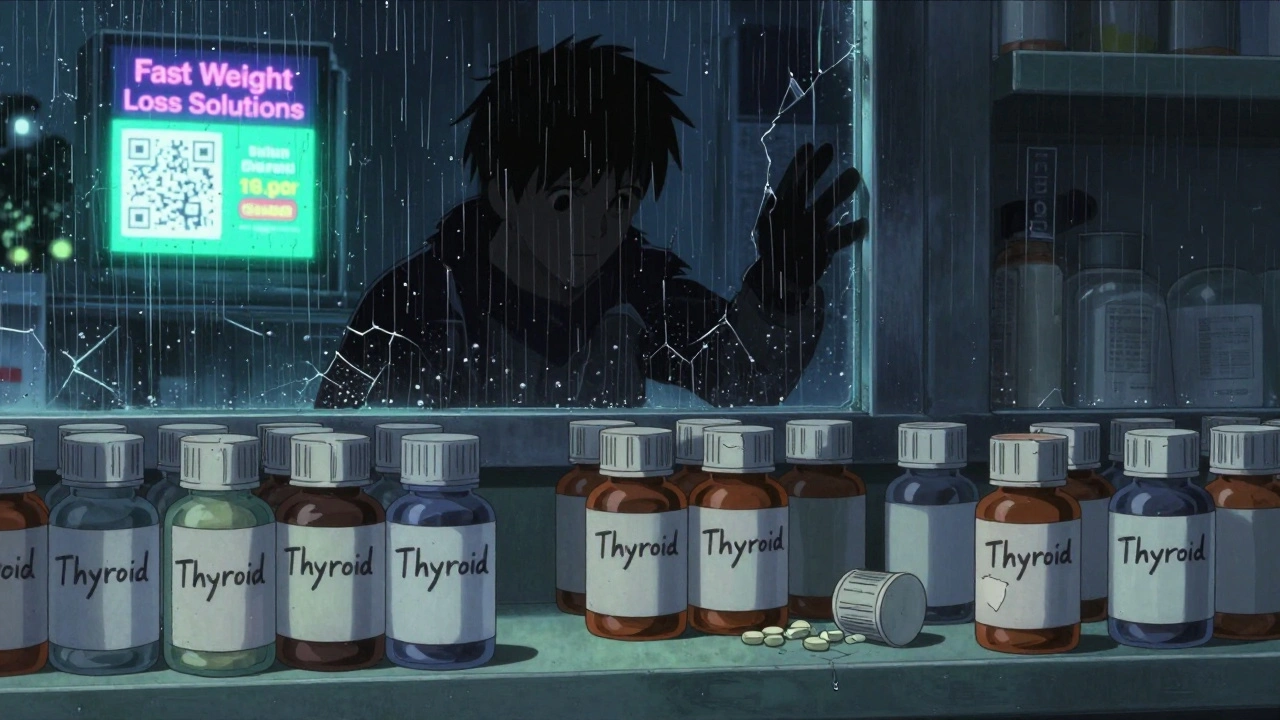
Thyroid hormones control your metabolism, heart rate, body temperature, and even your brain function. Too much? Your body goes into overdrive. Too little? It slows down like a car running on empty. Both extremes come from the same source: medication misuse. Levothyroxine, the most common thyroid hormone replacement, is prescribed over 120 million times a year in the U.S. It’s safe when used correctly. But misuse is rising. People take extra pills to lose weight. Others skip doses because they feel fine, then panic when symptoms return. Some even buy it online without a prescription. The result? Two opposite but equally serious problems: medication-induced hyperthyroidism and drug-induced hypothyroidism.Too Much Hormone: The Hidden Danger of Levothyroxine Abuse
Factitious hyperthyroidism isn’t caused by an overactive thyroid gland. It’s caused by someone swallowing too much synthetic hormone. Athletes, fitness influencers, and people struggling with body image are among the most common users. One Reddit user wrote: "I took 200mcg daily for three months to lose weight. Ended up in the ER with a heart rate of 142. Doctors said I was lucky to be alive." Symptoms show up fast - often within 30 days. You might lose weight quickly, but you’ll also experience:- Heart palpitations or irregular pulse
- Shaky hands or tremors
- Insomnia and nervousness
- Excessive sweating and heat intolerance
- Diarrhea, nausea, vomiting
- Chest pain
- Temporary hair loss
Too Little Hormone: When Stopping or Skipping Doses Backfires
Hypothyroidism from medication misuse isn’t always about taking too little. Sometimes, it’s about stopping and starting. People feel better after a few weeks on levothyroxine, so they quit. Then they feel tired again, so they restart. This rollercoaster confuses the body and makes treatment ineffective. It can also happen from drug interactions. Calcium supplements, iron pills, or even antacids taken within hours of thyroid medication can block up to half its absorption. One study found 42% of patients who didn’t respond to treatment were taking their pills with food or supplements. Symptoms of drug-induced hypothyroidism are easy to miss because they’re so common:- Fatigue (89% of cases)
- Cold intolerance (76%)
- Weight gain (68%)
- Depression (55%)
- Dry skin and hair loss (47%)
Medications You Didn’t Know Could Break Your Thyroid
You don’t have to be taking thyroid pills to mess up your thyroid. Other common drugs can cause serious imbalances:- Amiodarone - a heart rhythm drug - is 37.3% iodine by weight. It can trigger both hyperthyroidism and hypothyroidism. Two types exist: Type 1 (overproduction) and Type 2 (thyroid inflammation). Doctors now test thyroid function before prescribing it.
- Iodinated contrast - used in CT scans - can cause thyrotoxicosis 2-12 weeks later, especially in people with existing thyroid issues.
- Immune checkpoint inhibitors - cancer drugs like Keytruda and Opdivo - cause thyroid dysfunction in up to 8% of patients. Symptoms are subtle at first, but can spike quickly. Guidelines now recommend testing every 4-6 weeks during treatment.
Why People Misuse Thyroid Medication - And Why It’s So Dangerous
The myth is simple: thyroid pills = weight loss. But here’s the truth: if you don’t have hypothyroidism, taking levothyroxine won’t help you burn fat. It just speeds up your heart and muscles - and burns muscle instead of fat. A 2021 study found that 12% of patients presenting with hyperthyroid symptoms were abusing medication. Most were women in their mid-30s. One study of gym-goers found nearly 9% admitted to using thyroid pills without a prescription. The danger? You don’t feel it until it’s too late. Your heart doesn’t warn you. Your bones don’t scream. By the time you have chest pain or an irregular pulse, damage may already be done. Dr. Lewis Braverman of Boston University put it bluntly: "Patients think they’re being smart. They’re not. They’re gambling with their heart.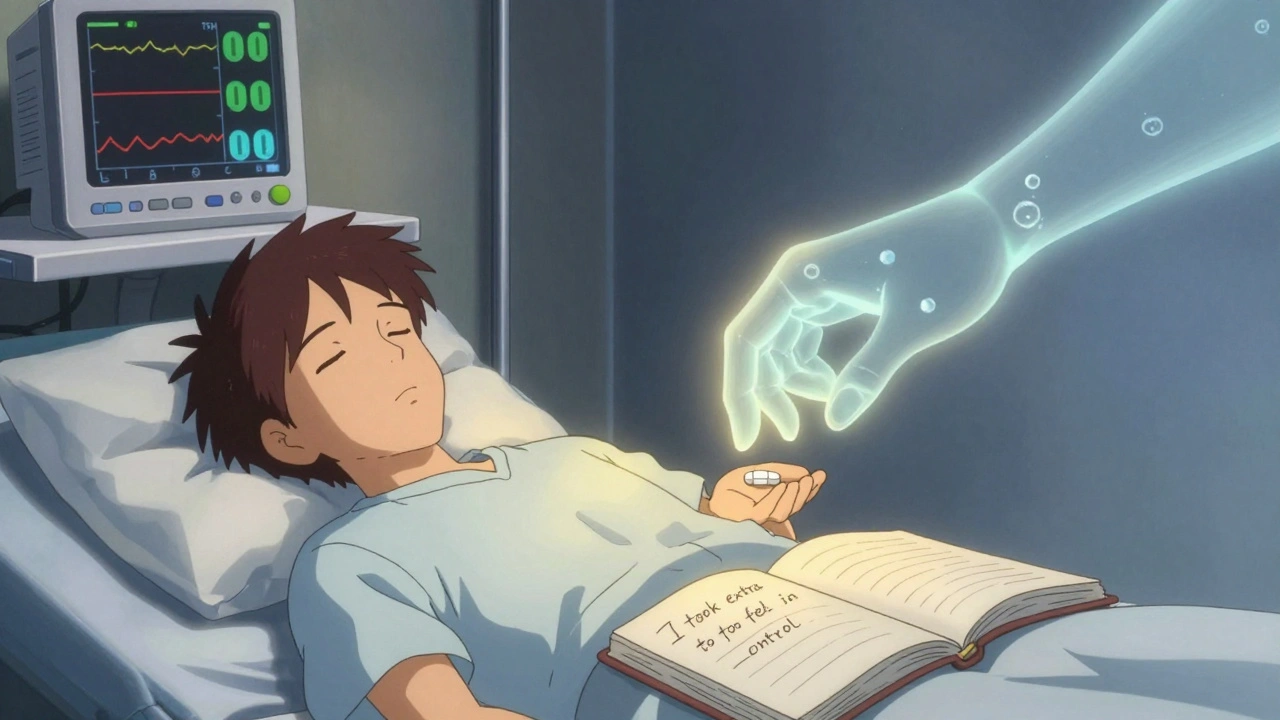
How to Spot and Stop Misuse Before It’s Too Late
If you’re on thyroid medication, here’s what you need to do:- Get blood tests every 6-8 weeks when starting or changing doses. TSH and free T4 levels tell the real story.
- Take your pill on an empty stomach, at least 30-60 minutes before food or supplements. Calcium, iron, and even coffee can block absorption.
- Never adjust your dose without talking to your doctor. Even skipping a day can throw off your rhythm.
- Don’t trust online sellers. The FDA has documented over 200 websites selling unregulated thyroid hormones. Doses vary wildly - some pills have 3x the labeled amount.
- If you’re taking amiodarone, checkpoint inhibitors, or contrast dye, ask for thyroid tests before and after.
What Recovery Looks Like
The good news? Most medication-induced thyroid problems can be reversed - if caught early. For levothyroxine abuse, doctors often recommend a 2-3 week "washout" period with heart monitoring. In 87% of mild cases, symptoms vanish on their own. For drug-induced hypothyroidism from lithium or amiodarone, thyroid function often returns within 3-6 months after stopping the drug. But recovery isn’t just about stopping pills. It’s about rebuilding trust in your body. One patient on HealthUnlocked shared: "My doctor kept increasing my dose because I kept losing weight. I was secretly taking extra pills. It took six months to stabilize after I told the truth." Honesty saves lives.What’s Changing in 2025
New guidelines from the Endocrine Society now recommend point-of-care TSH testing in clinics - results in 15 minutes. Pilot programs cut adverse events by 37%. Telemedicine thyroid programs are growing fast, with projections showing they could reduce misuse by 28% by 2026. But the biggest threat isn’t medical - it’s cultural. The push for quick fixes, the glorification of extreme weight loss, and the ease of buying hormones online are fueling this crisis. The solution isn’t just better testing. It’s better education. Patients who get clear, detailed counseling have a 63% lower risk of noncompliance. Thyroid medication isn’t a shortcut. It’s a tool. And like any tool, it’s only safe when used with care, knowledge, and respect.Can you get hyperthyroidism from taking too much levothyroxine?
Yes. Taking more levothyroxine than prescribed - even just a few extra pills - can cause medication-induced hyperthyroidism. Symptoms include rapid heartbeat, weight loss, tremors, sweating, and anxiety. Blood tests will show high T4 and low TSH, but low thyroglobulin and low iodine uptake, confirming it’s from external hormone, not an overactive gland.
How do you know if your thyroid problem is from medication or an autoimmune disease?
Doctors use blood tests and imaging. Autoimmune conditions like Graves’ disease show high radioactive iodine uptake because the thyroid is overproducing. Medication-induced cases show low uptake - your thyroid is quiet because it’s being flooded by pills. Low thyroglobulin levels also point to external hormone use. A detailed history of dosing patterns is key.
Can other drugs besides thyroid meds cause thyroid problems?
Absolutely. Amiodarone (a heart drug) contains so much iodine it can trigger both hyperthyroidism and hypothyroidism. Iodine-based contrast dyes used in CT scans can cause thyrotoxicosis weeks later. Cancer drugs like Keytruda can cause thyroid inflammation in up to 8% of users. Even lithium, used for bipolar disorder, causes hypothyroidism in 15-20% of long-term users.
Is it safe to skip thyroid medication if you feel fine?
No. Thyroid hormone levels take 6 weeks to fully adjust after a dose change. Skipping doses causes your TSH to rise and T4 to fall, triggering fatigue, weight gain, and brain fog. It also makes future dosing harder to predict. Consistency matters more than how you feel on any given day.
Can you buy thyroid medication online safely?
No. The FDA has shut down over 200 websites selling unregulated thyroid hormones since 2020. Many contain inconsistent or dangerous doses - some have 3x the labeled amount. Compounded versions are especially risky. Between 2018 and 2022, 127 cases of iatrogenic hyperthyroidism were linked to these products. Only get thyroid meds from a licensed pharmacy with a valid prescription.
What should you do if you think you’ve taken too much thyroid medication?
Stop taking it immediately. If you have chest pain, a heart rate over 120, trouble breathing, or a fever above 102°F, go to the ER. For milder symptoms, contact your doctor. They’ll likely order blood tests and may recommend a short "washout" period with heart monitoring. Most mild cases resolve within 2-3 weeks with proper care.
How long does it take for thyroid levels to return to normal after stopping misuse?
It varies. For mild levothyroxine overdose, symptoms often fade in 1-2 weeks, and TSH normalizes in 4-8 weeks. For drug-induced hypothyroidism from lithium or amiodarone, recovery can take 3-6 months after stopping the medication. In cases of chronic abuse, it may take longer - and some people need lifelong replacement therapy if their thyroid function doesn’t fully recover.
Can thyroid medication misuse cause permanent damage?
Yes. Chronic excess can permanently weaken bones, increasing fracture risk. It can cause lasting heart rhythm problems like atrial fibrillation. In rare cases, thyroid storm can lead to organ failure. Even after stopping the drug, some people need ongoing treatment because their thyroid never fully recovers its natural balance.
Iris Carmen
December 8, 2025 AT 00:46Rich Paul
December 9, 2025 AT 23:48Delaine Kiara
December 10, 2025 AT 21:42Ruth Witte
December 11, 2025 AT 07:10Noah Raines
December 11, 2025 AT 17:32Katherine Rodgers
December 12, 2025 AT 06:42Lauren Dare
December 13, 2025 AT 07:52Gilbert Lacasandile
December 14, 2025 AT 23:34Lola Bchoudi
December 15, 2025 AT 06:46Morgan Tait
December 15, 2025 AT 15:17Darcie Streeter-Oxland
December 15, 2025 AT 17:56Sarah Gray
December 16, 2025 AT 17:37Kathy Haverly
December 17, 2025 AT 13:41