

Elderly Drug Risks: Common Dangers and How to Stay Safe
When you’re over 65, your body processes drugs differently — and that changes everything. elderly drug risks, the heightened chance of harmful side effects from medications in older adults. Also known as age-related drug sensitivity, this isn’t just about taking more pills — it’s about how your liver, kidneys, and brain respond to them differently than they did at 30. One in three seniors takes five or more medications daily. That’s called polypharmacy, the use of multiple medications at once, often leading to dangerous overlaps. It’s not always the drugs themselves that are dangerous — it’s how they mix, how your body holds onto them longer, and how easily side effects get mistaken for aging.
Take medication interactions, when two or more drugs react in a way that increases risk or reduces effectiveness. A common example: mixing a blood thinner like warfarin with an OTC painkiller like ibuprofen. That combo can cause internal bleeding, but many seniors don’t realize it’s not just the painkiller doing the damage — it’s the interaction. Or consider how antihistamines like Benadryl, often used for allergies or sleep, can cause confusion, falls, or urinary retention in older adults. These aren’t rare cases — they’re predictable outcomes of outdated prescribing habits.
Doctors don’t always know what you’re taking. Pharmacies don’t always flag risky combos. And many seniors don’t speak up when they feel dizzy, tired, or confused — they just think it’s "getting old." But that’s not normal. That’s a warning sign. The good news? Most of these risks are preventable. Simple steps — like keeping a full medication list, asking about every new prescription, and checking for alternatives with fewer side effects — can cut your risk in half. Below, you’ll find real-world guides on exactly what to watch for: from how stimulants affect heart rhythm in seniors, to why certain pain meds increase fall risk, to how diuretics can throw off your electrolytes. These aren’t theory pieces. They’re practical tools used by pharmacists and geriatric specialists to keep older adults safe.
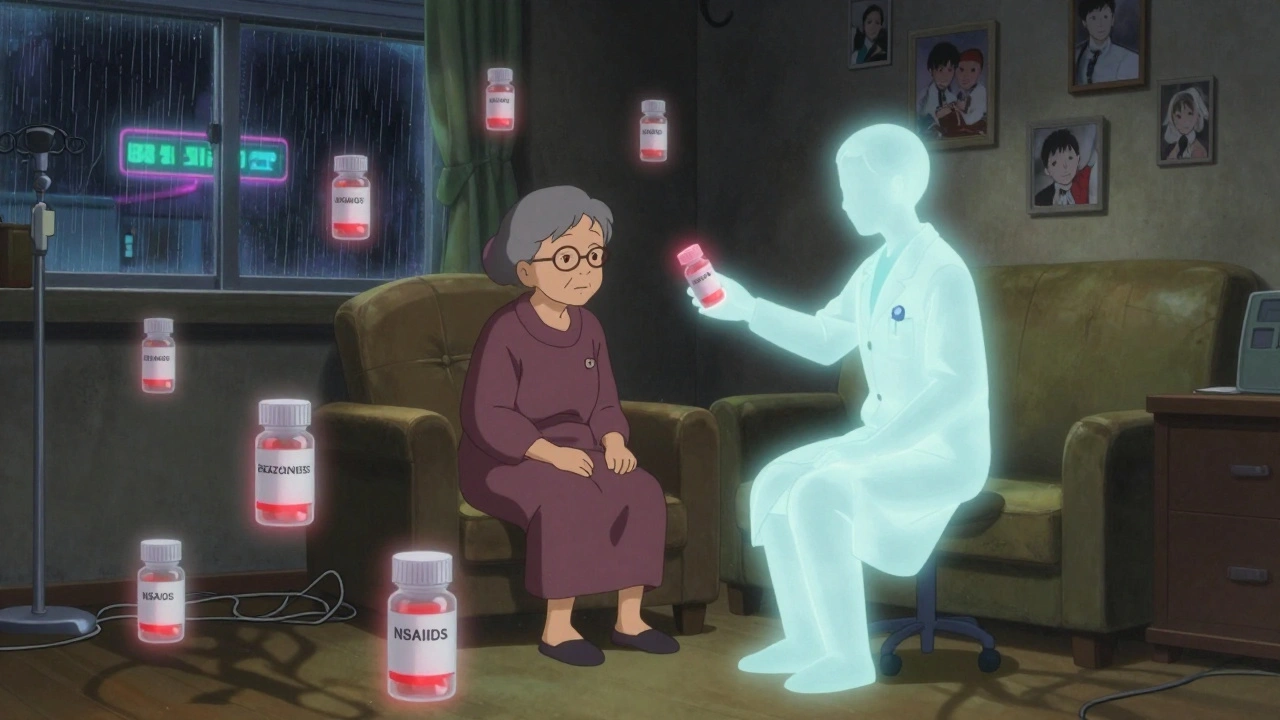
Geriatric Medication Safety: How to Protect Elderly Patients from Harmful Drugs
Geriatric medication safety is critical as older adults face higher risks from drug interactions, polypharmacy, and outdated prescribing. Learn how the Beers Criteria and new alternatives are reducing hospitalizations and saving lives.