

Statins and Muscle Pain: Understanding and Managing Statin-Induced Myopathy
 Apr, 20 2026
Statin-Associated Muscle Symptoms (SAMS) Guide
Symptom Checker
Check the symptoms you are experiencing to see how they align with common SAMS patterns.
Analysis & Recommendations
The "Perfect Storm": Why it happens
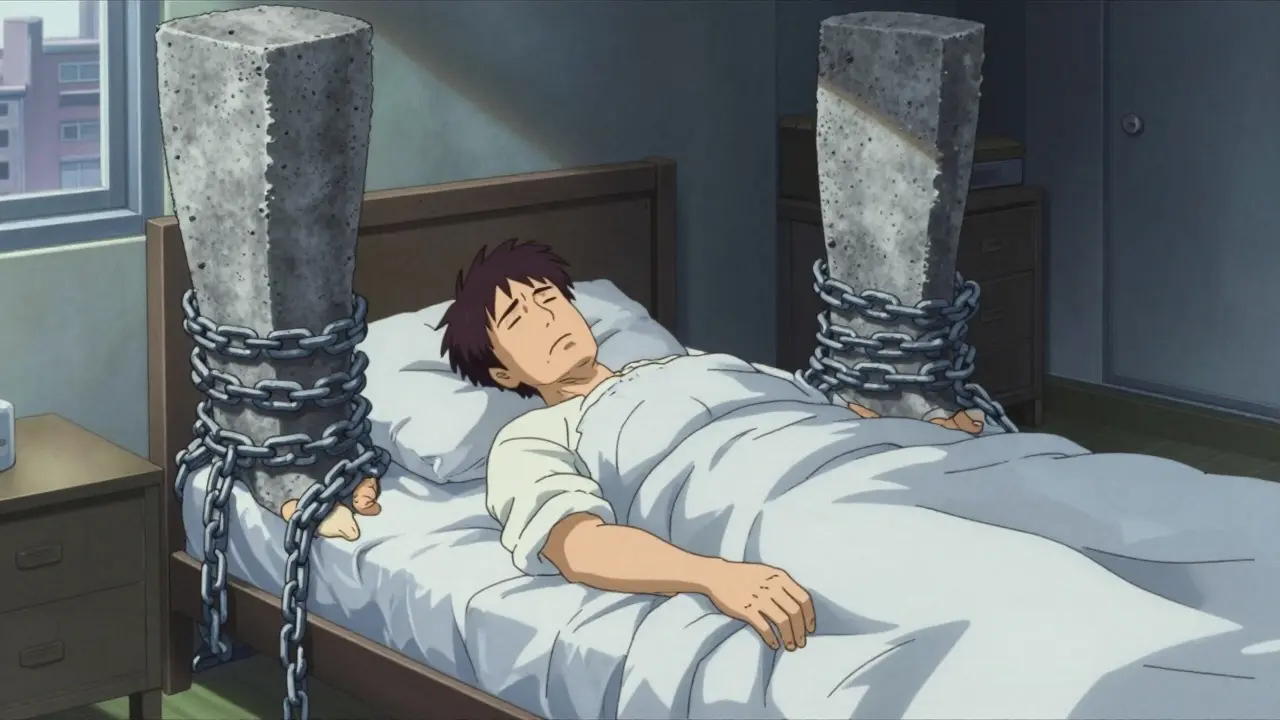
Imagine starting a medication to protect your heart, only to wake up feeling like you've run a marathon in your sleep. For millions of people, this is the frustrating reality of statin-induced myopathy. While these drugs are gold standards for lowering cholesterol, they come with a paradoxical side effect: muscle pain that can range from a mild ache to debilitating weakness. If you're feeling this, you aren't alone. Roughly 10% to 30% of people experience some form of muscle symptoms while on these medications. The good news? We now have a much deeper understanding of why this happens and how to fix it without necessarily giving up your cardiovascular protection.
What Exactly Is Statin-Associated Muscle Symptoms?
When doctors talk about muscle issues with statins, they usually use the term SAMS (Statin-Associated Muscle Symptoms). It's an umbrella term that covers everything from general fatigue and cramping to actual myopathy, which is a clinical condition where muscle tissue is actually damaged. In most cases, this manifests as soreness that starts within the first six months of taking the medication. While most people deal with mild discomfort, a very small fraction-about 0.1% to 0.5%-experience severe myopathy characterized by a massive spike in creatine kinase (CK) levels, an enzyme that leaks into the blood when muscle cells are damaged.
The Science: Why Do Statins Hit Your Muscles?
It seems strange that a drug designed for the liver (to stop cholesterol production) would affect your calves or shoulders. Research shows it isn't just one thing, but a "perfect storm" of three different molecular breakdowns.
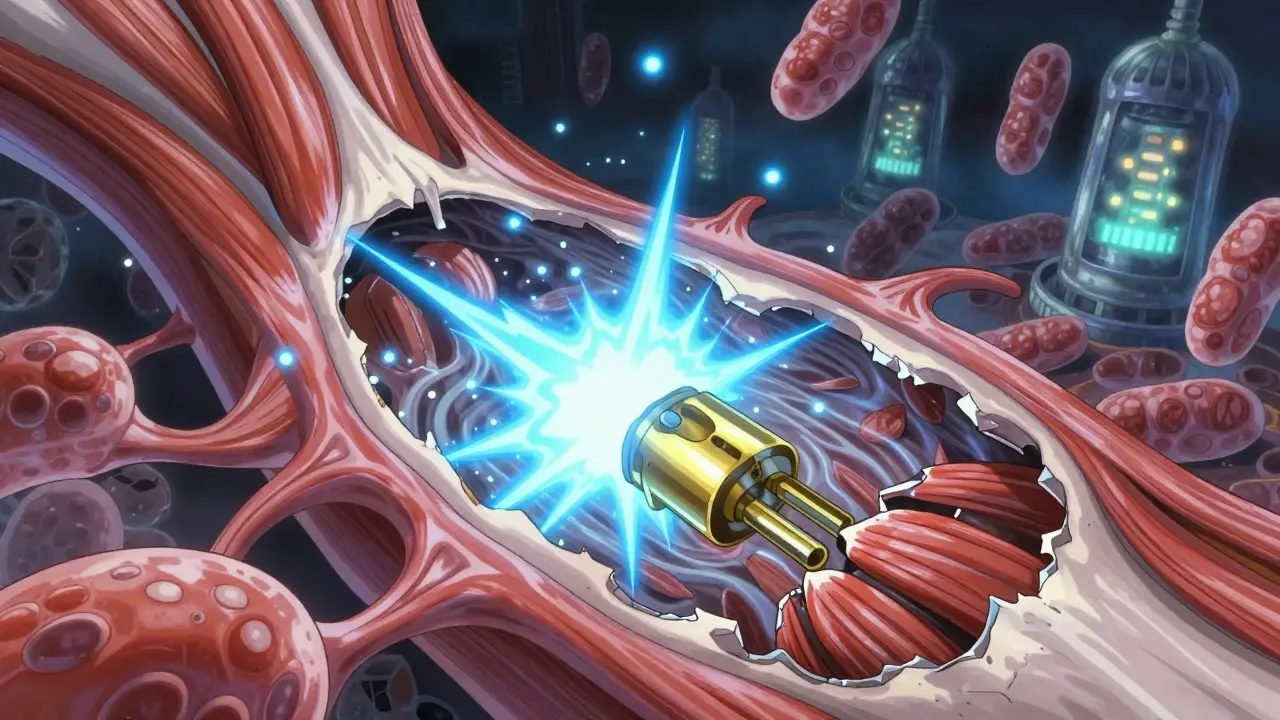
First, there is a calcium leak. In our muscles, there is a channel called RyR1 (Ryanodine Receptor 1). Normally, a protein called FKBP12 acts like a plug, keeping calcium inside the sarcoplasmic reticulum. Statins cause this plug to pop out. When the plug is gone, calcium leaks into the muscle cell, triggering "calcium sparks" that can eventually tell the cell to self-destruct. Interestingly, this doesn't happen in the heart, which is why you don't typically see heart muscle damage from statins.
Second, statins block the production of isoprenoids. These are small molecules that help proteins attach to cell membranes. Without them, cellular signaling breaks down, and the muscle cannot repair itself efficiently. In some patients, isoprenoid levels drop by as much as 80%.
Finally, there is the energy crisis. Statins reduce the levels of Coenzyme Q10 (CoQ10), a vital nutrient for the mitochondria-the powerhouses of your cells. When CoQ10 drops, your muscles produce more reactive oxygen species (ROS), which basically means the cells suffer from oxidative stress, making them feel fatigued and sore.
| Mechanism | What Happens | Key Marker | Clinical Result |
|---|---|---|---|
| Calcium Dysregulation | FKBP12 detaches from RyR1 | Ca2+ sparks | Cell apoptosis (cell death) |
| Isoprenoid Depletion | Reduced farnesyl pyrophosphate | Impaired prenylation | Broken cell signaling |
| Mitochondrial Stress | CoQ10 levels drop ~40% | Increased ROS | Energy failure & fatigue |
The Rare but Serious: Autoimmune Myositis
For most people, muscle pain stops shortly after they stop taking the drug. However, in a tiny percentage of cases (about 0.02%), the statin triggers an immune response. The body starts producing anti-HMGCR antibodies. Essentially, the immune system begins attacking the muscle cells regardless of whether the medication is still in the system. This form of myopathy is much more aggressive and doesn't go away with a simple "drug holiday." It requires heavy-duty treatment with immunosuppressants like prednisone and methotrexate to bring the inflammation under control.
How to Manage and Fix the Pain
If you're feeling the ache, don't just stop your meds immediately-that can spike your cardiovascular risk. Instead, look at these evidence-backed strategies used by cardiologists today.
The first step is often a "washout" period to confirm the statin is actually the cause. If symptoms vanish within four weeks of stopping, you have your answer. From there, you have several options:
- Switching Statins: Not all statins are created equal. Some are lipophilic (fat-soluble) and others are hydrophilic (water-soluble). Switching to a different version works for about 40% of patients.
- Dose Adjustment: Lowering the dose can resolve symptoms for up to 65% of people while still providing significant heart protection.
- CoQ10 Supplementation: Taking 200 mg of CoQ10 daily has shown a 35% reduction in symptoms in randomized trials by helping the mitochondria recover.
- Alternative Therapies: If statins are a total no-go, medications like ezetimibe or PCSK9 inhibitors (like evolocumab) offer powerful LDL lowering with almost no muscle side effects.
The Surprising Role of Exercise
You might think that if your muscles hurt, the last thing you should do is hit the gym. Surprisingly, the opposite is true. Data suggests that moderate exercise-about 150 minutes per week-actually helps fix the underlying cause of statin pain. Exercise helps normalize the binding of FKBP12 to the RyR1 channel, effectively "plugging the leak" and reducing those damaging calcium sparks.
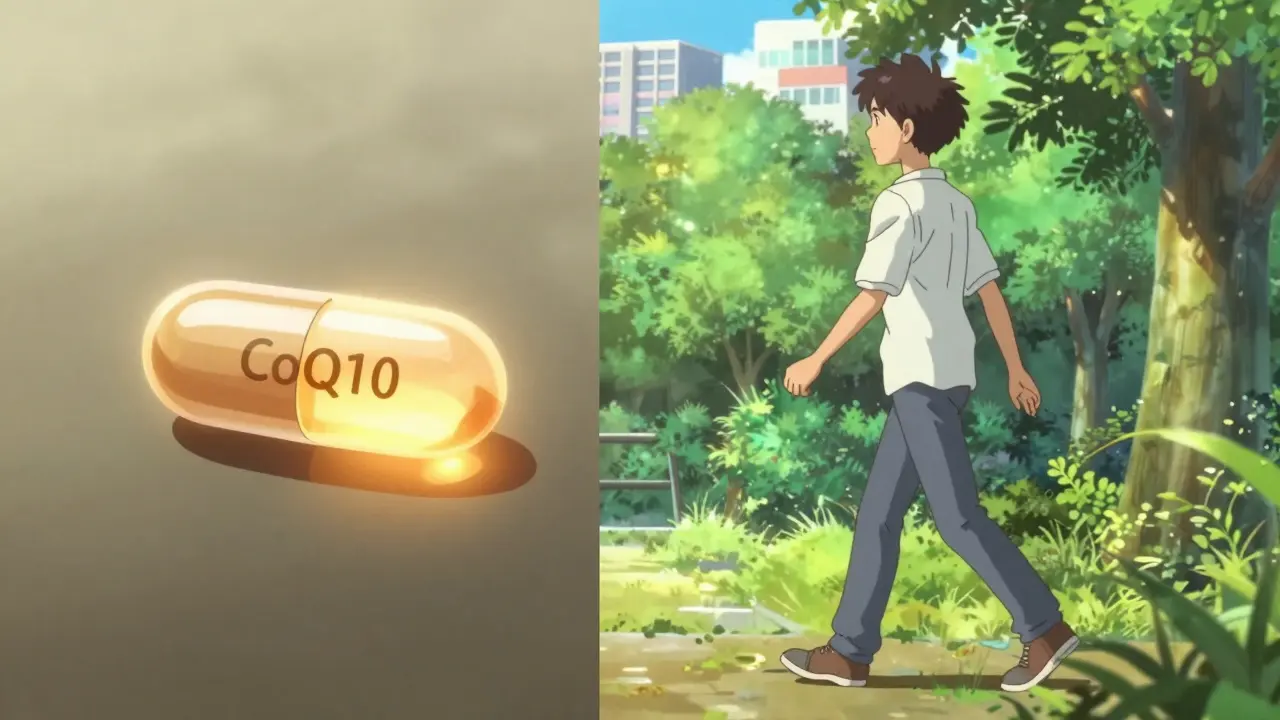
In fact, combining 30 minutes of daily walking or cycling with CoQ10 supplements has shown an 80% success rate in resolving symptoms for people who previously couldn't tolerate statins. It's a powerful synergy: the supplement fuels the mitochondria while the movement stabilizes the cell membranes.
Will the muscle pain go away if I stop taking statins?
In the vast majority of cases, yes. For about 80% of people, symptoms resolve within 1 to 4 weeks after discontinuation. However, if the pain persists long after stopping, it could be the rare autoimmune form (anti-HMGCR myositis), which requires a different medical approach.
Should I take CoQ10 if I'm on a statin?
It can be very helpful. Statins reduce CoQ10 levels by about 40%, which impairs energy production in your muscles. Supplementing with 200 mg per day is a common recommendation to reduce muscle soreness and improve mitochondrial function.
Is muscle pain a sign of permanent damage?
Usually, no. Most statin-associated muscle symptoms are reversible. True myopathy-where there is significant muscle fiber breakdown-is rare, affecting only 0.1% to 0.5% of users. Regular check-ups and CK blood tests can help your doctor monitor for any real danger.
Can I exercise while experiencing statin muscle pain?
Yes, moderate exercise is actually encouraged. It has been shown to reduce the frequency of calcium sparks in muscle cells and can help normalize the cellular processes that statins disrupt, often reducing overall symptoms.
What are the alternatives to statins for high cholesterol?
If you are truly statin-intolerant, options include ezetimibe, which blocks cholesterol absorption in the gut, or PCSK9 inhibitors, which are injectable medications that significantly lower LDL without the same muscle-related side effects.
Next Steps and Troubleshooting
If you are currently experiencing muscle pain, don't panic and don't quit your meds cold turkey. Start by keeping a symptom diary: Note when the pain started, where exactly it is (symmetry is a key clue), and if it fluctuates with activity. Schedule a visit with your doctor and ask for a creatine kinase (CK) test to see if there is actual muscle leakage.
For those who have already tried switching statins without success, ask about a "combination therapy" approach-pairing a very low dose of a statin with a non-statin like ezetimibe. This often achieves the same cholesterol goals with a fraction of the muscle stress. If you're an athlete or highly active, discuss a CoQ10 regimen to keep your mitochondrial energy levels peaked while maintaining your cardiovascular health.