

Sinusitis: Viral vs. Bacterial and When Antibiotics Actually Help
 Apr, 18 2026
You wake up with a pounding headache, a stuffed nose, and a feeling of intense pressure around your eyes. Your first instinct might be to call the doctor and ask for a prescription to clear it up quickly. But here is the catch: in about 90% to 98% of acute cases, those antibiotics won't do a thing. Why? Because most sinus infections are caused by viruses, not bacteria. Taking a powerful drug for a viral infection is like using a hammer to fix a software glitch-it's the wrong tool for the job and can actually leave you worse off.
What exactly is sinusitis?
When we talk about sinusitis is an inflammation of the nasal cavity and the paranasal sinuses, we are describing a situation where the lining of your sinuses becomes swollen. This swelling blocks the narrow channels that allow mucus to drain, trapping it inside. This stagnant mucus becomes a breeding ground for germs, leading to that familiar, oppressive facial pressure. In the U.S. alone, roughly 31 million people deal with this every year.
The real challenge isn't just feeling the pressure-it's knowing what's causing it. Since the symptoms of viral and bacterial infections look so similar, it's easy to misdiagnose them. However, differentiating between the two is the only way to avoid the risks of antimicrobial resistance and unnecessary side effects.
Viral vs. Bacterial: How to tell the difference
If you're staring at a tissue wondering if you need medicine, look at the calendar and the clock. Time is the most reliable diagnostic tool we have. Viral infections usually peak and start to improve within 7 to 10 days. Bacterial infections, on the other hand, are stubborn. They either last longer than 10 days without any improvement or follow a "double-worsening" pattern-where you feel like you're getting better for a few days, only to crash and feel significantly worse after the first week.
Physical clues can also give you a hint, though they aren't foolproof. A viral infection often comes with clear or white mucus and mild pressure. Bacterial sinusitis often presents with thick, purulent (yellow or green) discharge, intense pain on one side of the face, or a fever that climbs above 102°F (38.9°C). If you notice your upper teeth aching despite no dental issues, that's often a sign that the maxillary sinuses are heavily infected with bacteria.
| Feature | Viral Sinusitis | Bacterial Sinusitis |
|---|---|---|
| Typical Duration | 7-10 days (gradual improvement) | >10 days or "double-worsening" |
| Mucus Color | Clear to white | Yellow or green (purulent) |
| Fever | Low or absent | Often >102°F (38.9°C) |
| Pain Pattern | General facial pressure | Severe unilateral or tooth pain |
| Primary Treatment | Supportive care | Antibiotics (if indicated) |
The danger of the "Quick Fix" antibiotic
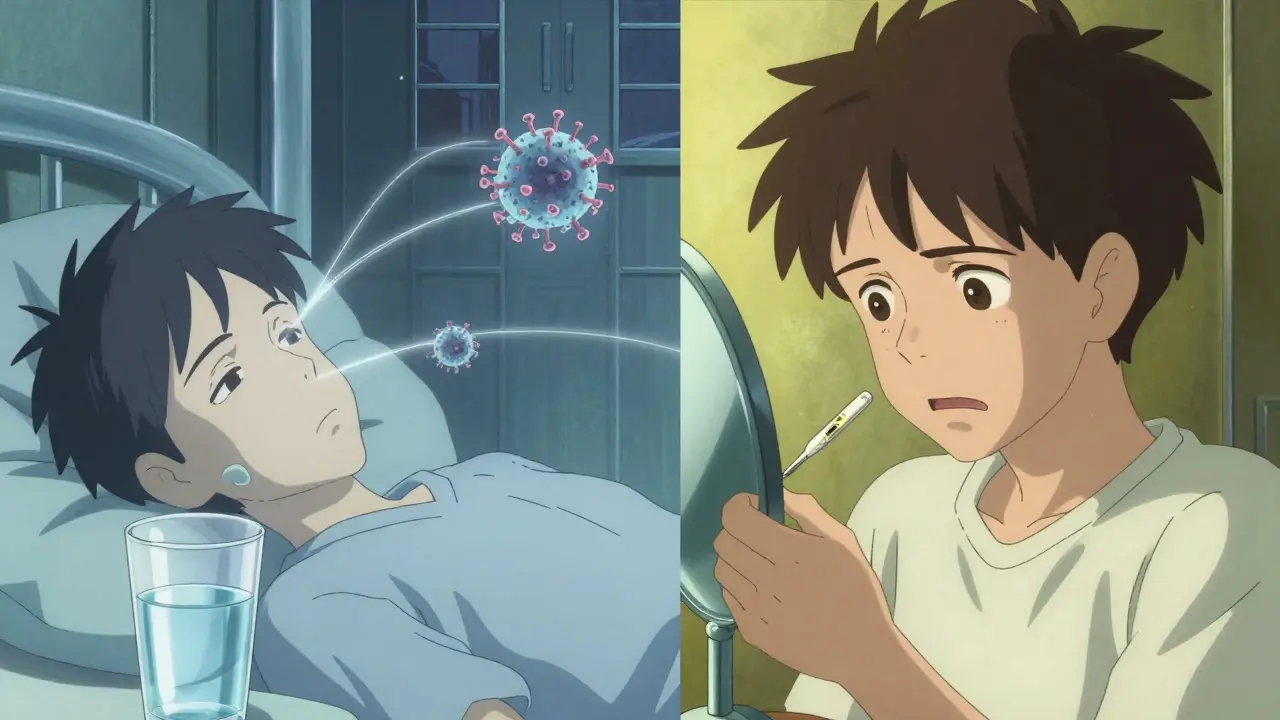
It's tempting to want a pill that "fixes" the problem in 48 hours. But many people mistake the natural resolution of a virus for the success of an antibiotic. If you take an antibiotic on day 5 of a cold and feel better on day 7, it wasn't the drug-it was your immune system finally winning the battle. In fact, about 78% of antibiotics prescribed for sinusitis are completely unnecessary.
Overusing these drugs creates a massive problem called antimicrobial resistance. When we use antibiotics improperly, we teach bacteria how to survive them. But the danger isn't just global; it's personal. One of the scariest side effects is a Clostridioides difficile infection. This happens when antibiotics wipe out the good bacteria in your gut, allowing a dangerous strain of C. diff to take over, which can lead to severe colitis and, in some cases, hospitalization.
When antibiotics actually help
So, when *should* you take them? If you've hit the 10-day mark with no relief, or if you've experienced that "double-worsening" dip, it's time to see a professional. The first line of defense for bacterial cases is typically amoxicillin, taken three times a day for 5 to 10 days. If you've had antibiotics recently or live in an area with high resistance, doctors might move to amoxicillin-clavulanate.
It's worth noting that not all antibiotics are created equal. Many doctors are moving away from macrolides or trimethoprim-sulfamethoxazole because the bacteria simply don't care about them anymore-resistance rates for these drugs often exceed 30% to 40%. A good doctor will explain why a specific drug was chosen or why you don't need one at all.
How to manage a viral infection at home
Since you can't "cure" a virus with a pill, the goal is to keep your sinuses open and your body hydrated. Here is a practical game plan for managing symptoms without a prescription:
- Hydrate aggressively: Aim for 2-3 liters of water daily. This thins the mucus, making it easier to blow out.
- Nasal Irrigation: Use a Neti Pot or saline spray 2-3 times a day. This physically flushes out the debris and reduces swelling.
- Control the Air: Use a humidifier to keep your room between 40-60% humidity. Dry air irritates the nasal lining and makes congestion worse.
- Manage Pain: Over-the-counter options like acetaminophen (650-1000mg) or ibuprofen (400-600mg) can handle the facial pressure and headaches.
If you're dealing with chronic issues, don't overlook nasal corticosteroids. Some patients have found that a consistent routine of saline irrigation and steroid sprays completely eliminates the need for antibiotics over the long term.
Red flags: When to stop waiting
While most sinus issues resolve on their own, there are "red flag" symptoms that mean you need immediate medical attention. You shouldn't wait 10 days if you experience:
- Vision Changes: Any blurring or double vision can indicate the infection has spread toward the eyes.
- High, Persistent Fever: A fever over 102°F that lasts more than three days.
- Severe Headache: A pain that doesn't respond to ibuprofen or acetaminophen.
- Mental Confusion: Any sign of disorientation or extreme lethargy.
In these cases, a doctor might order a CT scan. However, be careful-CT scans often show "abnormalities" in nearly 90% of healthy adults, so they should only be used when the doctor suspects a complication, not as a routine check for a stuffy nose.
The future of sinus care
We are moving away from the "guess and check" method of prescribing. New tools are making diagnosis much more precise. For example, the FDA recently approved the SinuTest™, a rapid point-of-care test that can detect bacterial pathogens with high accuracy. There are also emerging biomarker tests that measure nasal nitric oxide levels-if the levels are below 50ppb, it's a strong signal that the infection is bacterial.
Even more exciting is the research into the nasal microbiome. Clinical trials are currently testing nasal probiotics to see if they can prevent recurrent infections. If successful, we might one day treat sinusitis by adding "good" bacteria to the nose rather than killing everything with a systemic antibiotic.
How long should I wait before asking for antibiotics?
Generally, you should wait at least 10 days. Because 90-98% of acute sinusitis cases are viral, antibiotics won't help the majority of people. The exception is if you experience "double-worsening"-where you start to feel better but then suddenly get much worse after day 5 or 7.
Does green or yellow mucus always mean I have a bacterial infection?
Not necessarily. While purulent (yellow-green) discharge is more common in bacterial infections, it can also happen during a viral infection as your immune system sends white blood cells to the area. The duration of symptoms and the presence of a high fever are much more reliable indicators than color alone.
Can a Neti Pot be dangerous?
Only if you use the wrong water. You must use distilled, sterile, or previously boiled water. Using untreated tap water can lead to rare but fatal infections from amoebas. Always follow the sterilization instructions on the product packaging.
What is a "double-worsening" pattern?
This occurs when a patient's symptoms initially improve (usually around day 5 to 7) but then return with greater severity. This is a classic sign that a secondary bacterial infection has taken hold after a primary viral infection weakened the sinus lining.
Will antibiotics clear up my sinus pressure immediately?
If the infection is truly bacterial, you may start to feel better within 48 to 72 hours. However, if the cause is viral, antibiotics will have no effect on the pressure and may cause side effects like diarrhea or stomach pain.