

Pomegranate Juice and Medication Metabolism: Risks and Facts
 Apr, 11 2026
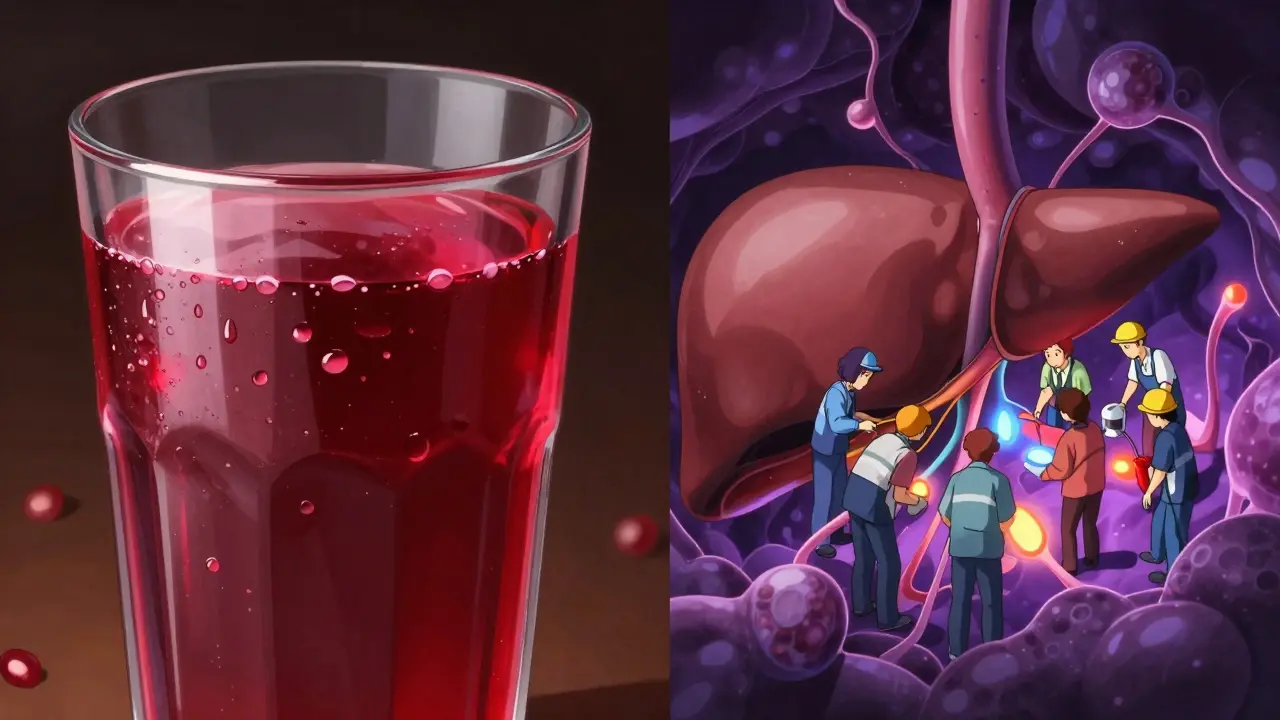
Imagine sipping a glass of healthy pomegranate juice, only to find out it might be changing how your prescription medicine works. It sounds like something out of a medical drama, but for some people, this is a real concern. While pomegranate is packed with antioxidants, some of those same compounds can interfere with the enzymes your body uses to break down drugs. If your liver can't clear a medication as quickly as it should, the drug levels in your blood can spike, potentially turning a helpful dose into a toxic one.
The core of the issue is a group of proteins called Cytochrome P450 is a superfamily of enzymes primarily found in the liver and intestines that play a critical role in the metabolism of the vast majority of medications. Specifically, pomegranate juice targets CYP3A4 and CYP2C9. Think of these enzymes as the "cleanup crew" for your bloodstream; they chop up medication molecules so your body can flush them out. When pomegranate juice inhibits these enzymes, it's like telling the cleanup crew to take a break. The medicine stays in your system longer, which can be dangerous for drugs with a "narrow therapeutic index"-medications where the line between a working dose and an overdose is very thin.
The Great Debate: Lab Results vs. Real Humans
If you look at laboratory data, the warnings seem dire. In vitro studies-tests done in petri dishes or test tubes-show that pomegranate juice can inhibit CYP2C9 activity by 20% to 50%. On paper, this suggests a significant jump in drug bioavailability, potentially increasing the amount of medication in the blood by up to 40%. This is why organizations like Consumer Reports issued warnings years ago, suggesting a wide range of medications, including certain antidepressants and narcotic pain relievers, could be affected.
However, humans aren't petri dishes. When researchers move from the lab to actual people, the results get fuzzy. For instance, a study involving healthy Japanese volunteers showed that drinking 330 mL of pomegranate juice daily for two weeks had almost no effect on the pharmacokinetics of midazolam, a common drug used to test CYP3A4 activity. The levels of the drug remained nearly identical to those who didn't drink the juice. This discrepancy is why experts, including researchers at Massachusetts General Hospital, argue that lab data alone isn't enough to make clinical decisions. For most people, a glass of juice isn't going to cause a medical emergency, but the risk isn't zero.
The Warfarin Warning
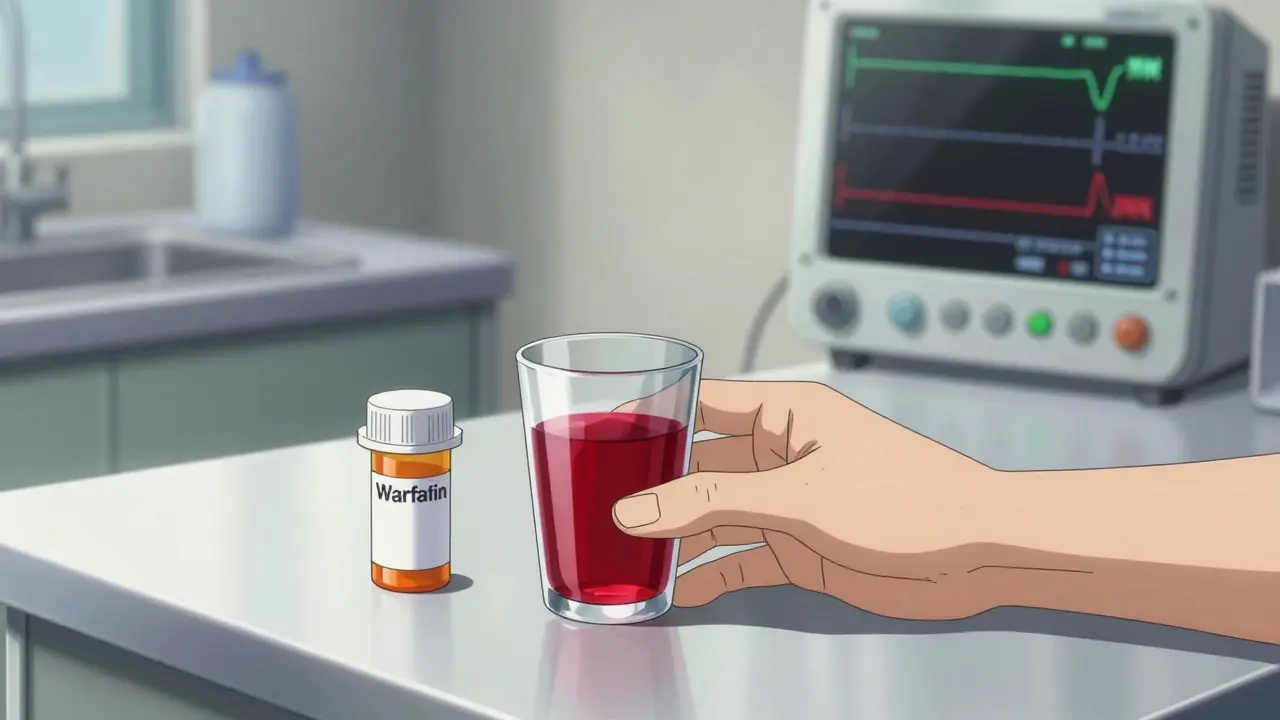
While many interactions might be theoretical, there is one area where the medical community is much more cautious: anticoagulants, specifically Warfarin is a medication used to prevent blood clots, known for having a narrow therapeutic window and requiring precise dosing. Because Warfarin is metabolized by CYP2C9, pomegranate juice can potentially slow its breakdown, leading to a higher INR (International Normalized Ratio), which measures how long it takes your blood to clot. If your INR gets too high, you face a much higher risk of internal bleeding.
Real-world reports from patient communities on Reddit and other forums show a mixed bag. Some users reported their INR jumping from 2.4 to 4.7 within just a few days of starting daily pomegranate juice, requiring a 30% dose reduction to get back to safety. On the flip side, a large number of patients on forums like PatientsLikeMe reported no change at all. This suggests that our genetics might play a role. The Pharmacogenomics Research Network is currently studying whether certain genetic variations in our enzymes make some of us "super-responders" to these interactions while others are completely unaffected.
| Target Entity | Observed Effect (Lab/In Vitro) | Observed Effect (Human Clinical) | Clinical Significance |
|---|---|---|---|
| CYP3A4 Enzyme | ~30% Inhibition | Minimal to no change | Low for most drugs |
| CYP2C9 Enzyme | 20-50% Inhibition | Variable (Case reports show risk) | High for Warfarin |
| ACE Inhibitors | Theoretic additive effect | Insufficient evidence | Monitor blood pressure |

Other Medications to Keep an Eye On
Beyond blood thinners, there are a few other categories of medication where you should be mindful. ACE Inhibitors, used to treat high blood pressure (like Lisinopril or Enalapril), are a point of concern. Because pomegranate juice can naturally lower blood pressure, combining it with these meds could theoretically drive your pressure too low, making you feel dizzy or faint. Similarly, some statins used for cholesterol, such as Atorvastatin, are processed by CYP3A4. While the effect is nowhere near as dramatic as what happens with grapefruit juice-which the FDA warns can increase some statin levels by 15-fold-it's still a reason to be consistent with your intake.
If you're taking medications for anxiety or sleep, such as Quetiapine, you might also find yourself in the "moderate interaction" category. The common thread here is the enzyme. If your medication's labeling mentions that it is a "substrate of CYP3A4," it's a signal that the juice could potentially interfere with how the drug is processed.
How to Enjoy Pomegranate Juice Safely
You don't necessarily have to banish pomegranate juice from your fridge forever. The key is consistency and timing. Most healthcare providers, including guidelines from the Mayo Clinic and the American Heart Association, suggest that steady, moderate intake is safer than erratic consumption. If you drink a small glass every morning, your body and your medication dose can stabilize around that pattern. The danger usually comes when someone who never drinks it suddenly starts drinking a liter a day, or vice versa.
Here are a few practical rules of thumb to follow:
- The Two-Hour Rule: Pharmacists often recommend waiting at least 2 hours between taking your medication and drinking the juice to minimize the direct interaction in the gut.
- Watch the Volume: Keep your intake moderate. A common suggestion is to stay under 8 ounces per day if you are on a sensitive medication like Warfarin.
- Track Your Vitals: If you're on blood pressure meds, keep a closer eye on your home readings when you start incorporating more pomegranate juice into your diet.
- Consult Your Doc: Especially if you have a "narrow therapeutic index" drug, a quick call to your doctor can determine if you need more frequent blood tests (like INR checks) during your first few weeks of consumption.
Is pomegranate juice as dangerous as grapefruit juice for drug interactions?
No. While both inhibit CYP enzymes, grapefruit juice is a much more potent inhibitor, particularly of CYP3A4. The FDA has issued explicit warnings for grapefruit juice because it can cause massive spikes in drug levels (up to 15 times). Pomegranate juice's effect is generally milder and less consistent in humans, though it still requires caution with specific drugs like Warfarin.
Can I drink pomegranate juice if I take blood pressure medication?
Generally yes, but you should be aware that pomegranate juice can have a natural blood-pressure-lowering effect. If you take ACE inhibitors, this could potentially lead to an additive effect, making your blood pressure too low. It is best to maintain a consistent amount of juice and monitor your blood pressure regularly.
What should I do if I'm taking Warfarin and want to drink pomegranate juice?
You should consult your doctor first. Because pomegranate juice can inhibit CYP2C9, it may increase your INR and the risk of bleeding. If your doctor clears it, keep your intake consistent (e.g., no more than 8 oz a day) and be prepared for more frequent INR testing when you first start or stop drinking it.
Does this apply to pomegranate supplements too?
Yes, and potentially even more so. Concentrated extracts in supplement form often contain higher levels of the bioactive polyphenolic compounds than standard juice, which could increase the likelihood of enzyme inhibition and drug interactions.
Why do lab results show an interaction but human studies don't?
Lab tests (in vitro) isolate the enzyme and the juice, showing a direct chemical reaction. In a living human, the juice must survive digestion, be absorbed into the bloodstream, and reach the liver in a concentration high enough to block the enzyme. Many of the compounds in pomegranate juice are metabolized or broken down before they ever reach the liver, which explains why the effect is often much smaller in real people.
Next Steps for Different Scenarios
If you're a healthy adult not on prescription meds: Enjoy your pomegranate juice! The antioxidant benefits likely far outweigh any theoretical concerns.
If you're on a daily maintenance drug (e.g., a statin or blood pressure med): Be consistent. Don't go from zero to three glasses a day overnight. Keep your doctor in the loop during your next check-up.
If you're on a high-risk medication (e.g., Warfarin): Prioritize monitoring. Your INR is your best guide. If you notice unusual bruising or bleeding after starting a pomegranate habit, contact your healthcare provider immediately for a dose adjustment.