

Opioid Overdose: How to Recognize Signs, Respond in Emergencies, and Use Naloxone
 Dec, 14 2025
Opioid Overdose Response Assistant
Overdose Assessment Tool
This tool helps you quickly identify opioid overdose signs and determine the appropriate emergency response. Based on the article content, please select the symptoms you observe in the person.
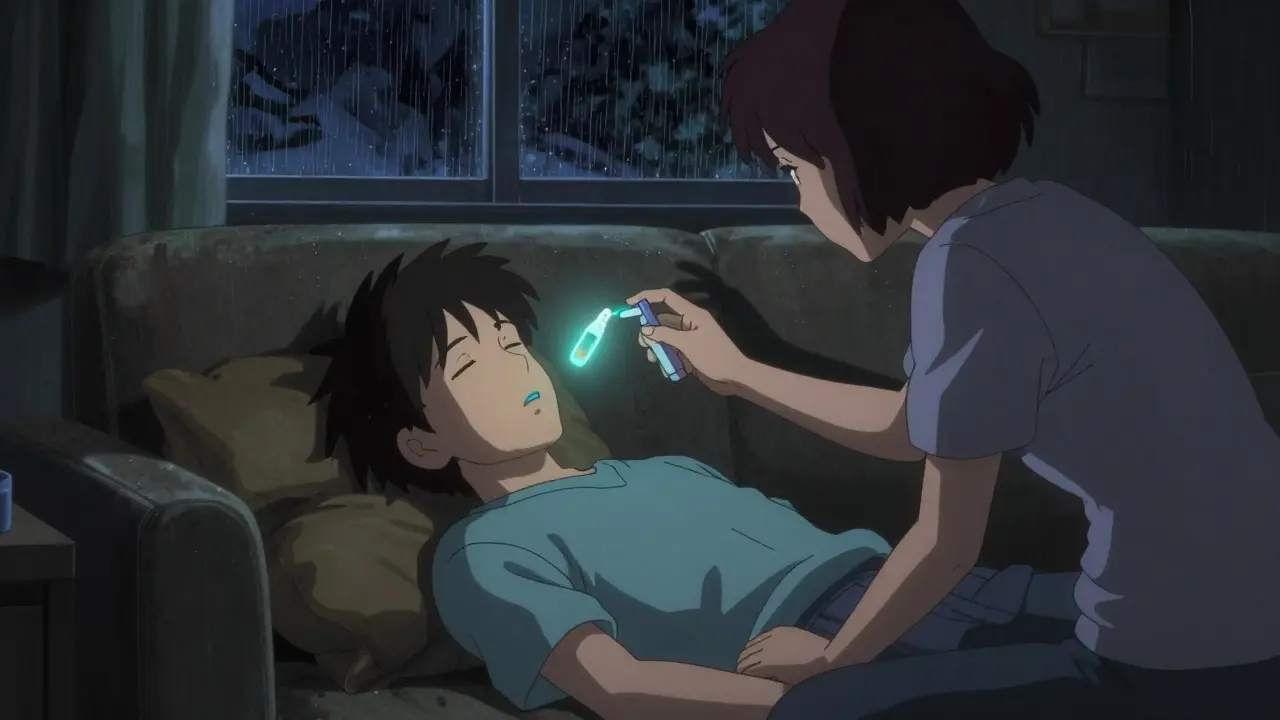
When someone overdoses on opioids, they don’t always look like they’re in trouble. They might be slumped over, quiet, or even snoring. But that snore could be the last sound they make before their breathing stops. Opioid overdoses kill quickly - often within minutes - because the drugs shut down the brain’s ability to tell the body to breathe. The good news? You don’t need to be a doctor to save a life. Recognizing the signs and acting fast with naloxone can bring someone back from the edge.
What Happens During an Opioid Overdose?
Opioids - including prescription painkillers like oxycodone, illegal heroin, and deadly synthetic drugs like fentanyl - work by binding to receptors in the brain. These receptors control pain, but they also control breathing. When too many opioids flood the system, they silence the signals that keep you alive. Your breathing slows, then stops. Your blood oxygen drops. Brain cells start dying after just 4 to 6 minutes without air. That’s why every second counts.Fentanyl is the biggest killer today. It’s 50 to 100 times stronger than morphine, and it’s often mixed into other drugs without the user’s knowledge. A pill sold as Xanax might contain fentanyl. A powder thought to be cocaine could be laced with it. The CDC reports that in 2023, 81% of all drug overdose deaths in the U.S. involved opioids, and nearly 74,000 of those were tied to synthetic opioids like fentanyl. That’s more than 200 people a day.
Signs of an Opioid Overdose
You don’t need a medical degree to spot an overdose. Look for these three classic signs, often called the opioid overdose triad:- Unresponsive or unconscious - Shake their shoulders, shout their name. If they don’t wake up, it’s an emergency.
- Slow, shallow, or stopped breathing - Watch their chest. Are they taking fewer than 10 breaths a minute? Or are they silent?
- Pinpoint pupils - Their pupils will look like tiny dots, even in dim light.
Other warning signs include:
- Blue, purple, or gray lips and fingernails (a sign of low oxygen)
- Cold, clammy, or pale skin
- Gurgling, choking, or snoring sounds - like they’re drowning in their own saliva
- Limp body - Like a ragdoll, no muscle tone
- Extreme drowsiness - They can’t stay awake, even when you try to talk to them
Don’t wait for all these signs to appear. If someone is unresponsive and breathing oddly, act now. Pupils aren’t always pinpoint in every case, especially with mixed drug use. Don’t let doubt stop you.
What to Do: The 3-Step Emergency Response
If you suspect an opioid overdose, follow this simple, life-saving sequence:- Call 911 immediately - Even if you’re not sure, call. Tell the dispatcher you think someone is overdosing on opioids. They’ll guide you while help is on the way.
- Give naloxone if you have it - Naloxone (brand name Narcan) is a nasal spray that reverses opioid effects in minutes. It’s safe, easy to use, and won’t hurt someone who hasn’t taken opioids. Spray one dose into one nostril. You don’t need to remove the person’s clothing or check for a pulse first.
- Stay with them until help arrives - Naloxone wears off in 30 to 90 minutes. Opioids can stay in the body much longer. The person might wake up, then slip back into overdose. Keep monitoring their breathing. If they stop breathing again, give a second dose of naloxone in the other nostril. If they’re not breathing, start CPR.
Don’t leave them alone. Don’t put them in the shower. Don’t try to make them walk it off. Those are myths. Only naloxone and emergency care can reverse an overdose.
How to Use Naloxone (Narcan)
Naloxone nasal spray is the most common form for non-medical use. Here’s how to use it:- Remove the device from its package.
- Hold it with your thumb on the bottom and two fingers on the top.
- Tilt the person’s head back slightly.
- Insert the nozzle into one nostril.
- Press the plunger firmly to release the full dose.
- Remove the device and call 911 if you haven’t already.
That’s it. No needles. No training required. Many pharmacies now sell naloxone over the counter without a prescription. In 49 states, you can walk in and ask for it. The price has dropped from over $130 a few years ago to $25-$50 for a two-dose kit. Some community centers, clinics, and even libraries give it away for free.
Keep naloxone in your car, bag, or home if you or someone you know uses opioids - even if it’s just for pain. It’s not a license to use drugs. It’s a safety net.
What Happens After Naloxone?
Naloxone brings someone back to life - but it doesn’t fix the problem. After reversal, the person needs medical care. Why? Because:- They might overdose again once naloxone wears off.
- They could have organ damage from lack of oxygen.
- They may need treatment for opioid use disorder.
Many people who survive an overdose never get help because they’re afraid of legal trouble, stigma, or being judged. But the truth is: surviving an overdose is a wake-up call. Studies show that people who receive naloxone and are connected to counseling or medication-assisted treatment (like methadone or buprenorphine) are far less likely to die in the future.
After the emergency, encourage them to see a doctor. Offer to help them find a treatment program. Don’t lecture. Don’t shame. Just say: “I’m here. You’re not alone.”
Prevention: Test Strips, Education, and Community Action
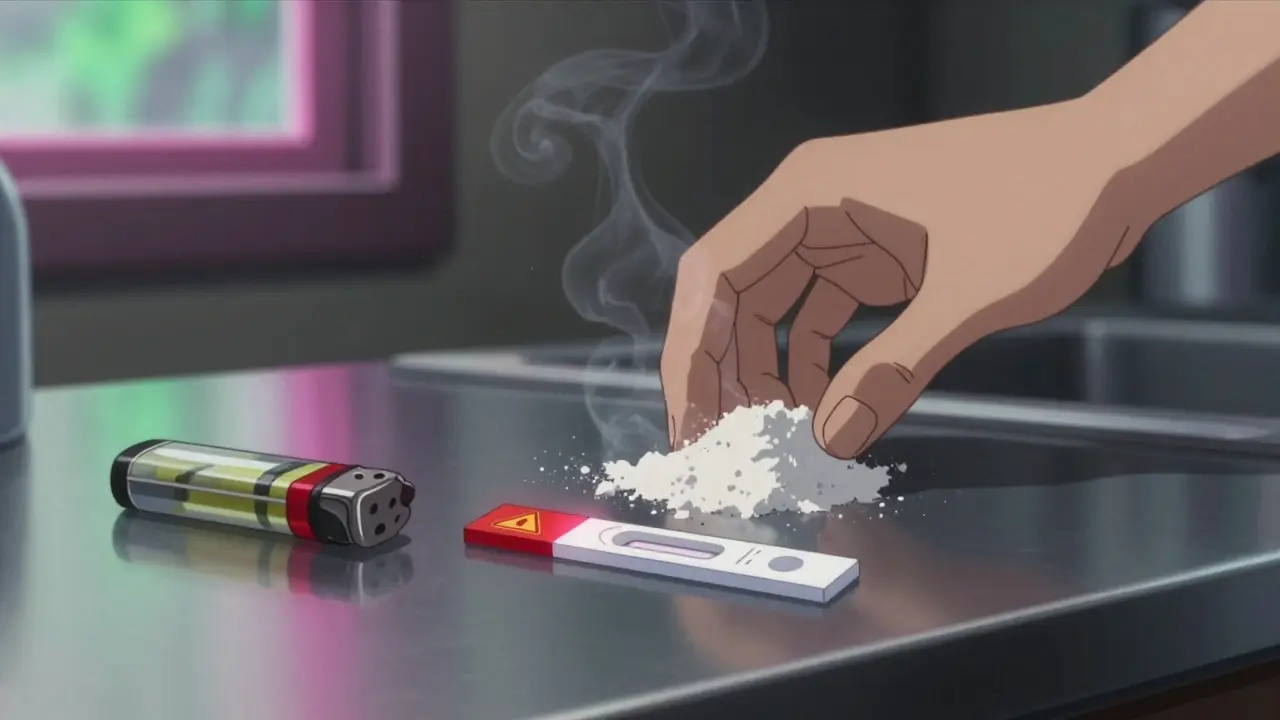
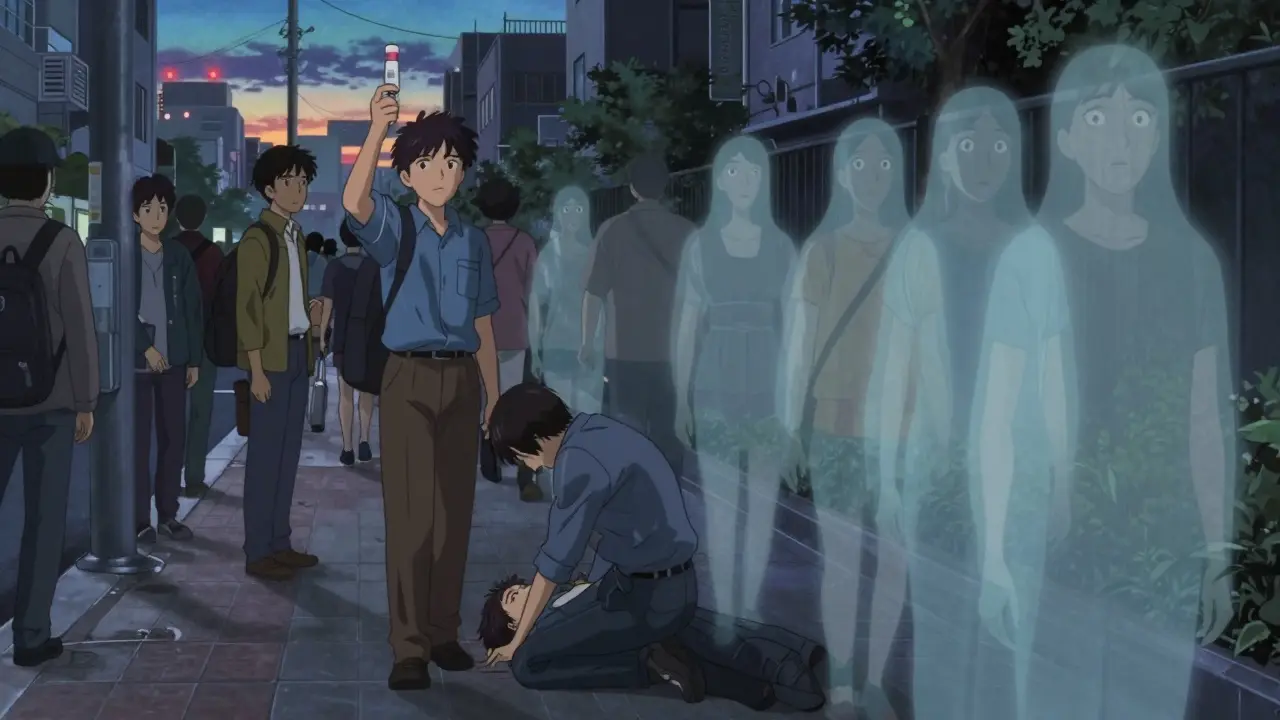
Fentanyl is everywhere. That’s why harm reduction tools like fentanyl test strips (FTS) are critical. These small paper strips can detect fentanyl in drugs. You mix a tiny bit of the substance with water, dip the strip, and wait a few minutes. If it turns positive, don’t use it. Or use it with someone else present, and have naloxone ready.Communities that train people - friends, family, police, baristas - to recognize overdoses and use naloxone have seen death rates drop by up to 14%. Programs like Virginia’s REVIVE! have trained tens of thousands of bystanders. They didn’t wait for the system to fix itself. They acted.
You don’t have to be a hero. You just have to be willing to act. If you see someone who looks like they’re not breathing, don’t assume they’re just passed out. Don’t wait for someone else to do something. You might be the only person who can save their life.
Why This Matters More Than Ever
Opioid overdoses aren’t a distant problem. They’re happening in your neighborhood, your workplace, your family. In Pennsylvania, they’re the top cause of accidental death. In Ohio, Michigan, West Virginia - the same. The crisis didn’t start with drugs. It started with silence. With stigma. With the belief that someone else would handle it.It’s not about judgment. It’s about survival. One spray. One call. One moment of courage can mean the difference between life and death. And if you’ve ever wondered if you’re qualified to help - you are. You don’t need permission. You don’t need a badge. You just need to know what to do.
Can naloxone harm someone who didn’t take opioids?
No. Naloxone only works on opioid receptors. If someone hasn’t taken opioids, it has no effect. It won’t make them sick, cause addiction, or trigger withdrawal. If you’re unsure whether someone overdosed on opioids, give naloxone anyway. It’s safe and can save a life.
How long does naloxone last, and can the overdose come back?
Naloxone works in 2 to 5 minutes and lasts 30 to 90 minutes. Many opioids, especially fentanyl, stay in the body much longer. That means the person can slip back into overdose after naloxone wears off. Always call 911 and stay with them. If breathing stops again, give a second dose in the other nostril.
Can you overdose on fentanyl just by touching it?
No. Fentanyl is dangerous if ingested, inhaled, or injected - but not through casual skin contact. You can’t overdose from touching a pill or powder. The risk comes from inhaling dust or accidentally getting it in your mouth or eyes. Wash your hands after handling unknown substances, but don’t panic over skin contact.
Is naloxone available without a prescription?
Yes. In 49 U.S. states, you can buy naloxone at a pharmacy without a prescription. Some states allow it to be dispensed for free through public health programs. Check with your local pharmacy, health department, or community center. Many offer it at no cost.
What should I do if someone doesn’t wake up after naloxone?
If they’re still unresponsive after the first dose, give a second dose in the other nostril. If they’re not breathing, start CPR. Push hard and fast on the center of the chest - 100 to 120 compressions per minute. Keep going until help arrives. Don’t stop. Even if you’re not trained, doing something is better than doing nothing.
Can naloxone be used for stimulant overdoses like cocaine or meth?
No. Naloxone only reverses opioid overdoses. If someone overdoses on cocaine, meth, or other stimulants, naloxone won’t help. But many overdoses now involve mixed drugs - like fentanyl-laced cocaine. If you’re unsure, give naloxone anyway. It won’t hurt, and it might save their life.
Are fentanyl test strips reliable?
They’re not perfect, but they’re the best tool we have to detect fentanyl in drugs. They can miss small amounts or be affected by how you use them. Still, a positive result means don’t use the drug. A negative result doesn’t guarantee safety - but it reduces risk. Use them if you can. They’re cheap, easy to use, and available online or at harm reduction centers.
Where can I get free naloxone?
Many local health departments, community clinics, syringe exchange programs, and nonprofits give naloxone for free. Some pharmacies offer it at no cost through state programs. You can also order free naloxone online from organizations like Harm Reduction Therapy or Naloxone Exchange. No ID or insurance needed.
Jennifer Taylor
December 15, 2025 AT 03:05Okay but have you seen the news about how the government is secretly using fentanyl in the water supply to control the population? I mean, why else would they push naloxone so hard? It’s not about saving lives-it’s about making us dependent on their ‘solution.’ I heard a guy on TruthSocial say the CDC is funded by Big Pharma and they want us hooked on the antidote like it’s a subscription service. 🤔💀
Shelby Ume
December 16, 2025 AT 07:24Thank you for this comprehensive and urgently needed guide. The clarity with which you’ve outlined the signs, response protocol, and accessibility of naloxone is both commendable and life-saving. I’ve shared this with my entire workplace, our local PTA, and even my book club. Everyone deserves to know how to act-because in these moments, hesitation is the real killer.
Jade Hovet
December 16, 2025 AT 08:00OMG I just got my free Narcan kit from the library!! 🎉💖 I keep it in my purse next to my lip balm and keys. My cousin OD’d last year and I didn’t know what to do… now I do. If you’re reading this and haven’t gotten one yet-GO. TODAY. Your person might be one breath away. 😭🙏 #NarcanSavesLives
nithin Kuntumadugu
December 16, 2025 AT 19:14Let us not be fooled by this performative compassion. Naloxone is a Band-Aid on a bullet wound. The real issue? The collapse of Western moral infrastructure. We have normalized addiction as a ‘public health issue’ while ignoring the underlying decay of family, faith, and personal responsibility. This is not medicine-it’s societal surrender. 😒
John Fred
December 16, 2025 AT 22:55Big fan of the 3-step protocol-super clear and actionable. Pro tip: If you’re in a high-risk area, keep a spare naloxone in your glovebox. I’ve trained my whole crew at the auto shop. We’ve reversed 3 overdoses this year-no one died because someone knew what to do. 🛠️💉 You don’t need to be a hero. Just be prepared.
Harriet Wollaston
December 17, 2025 AT 12:17I work at a shelter and we hand out test strips and Narcan every Friday. One guy told me, ‘No one’s ever told me I’m worth saving before.’ That hit me hard. This isn’t just about drugs-it’s about dignity. Keep talking. Keep sharing. Keep showing up. We’re all just one moment away from being the person who says, ‘I’ve got you.’ ❤️
Lauren Scrima
December 17, 2025 AT 21:50Wow. So… you’re saying we don’t need to be doctors? Just… breathe? And press a button? And call 911? And not put them in a cold shower? Groundbreaking. I’m sure the 74,000 dead people this year all just forgot to read a Reddit post. 🙄
Alvin Montanez
December 18, 2025 AT 15:34Let me be clear: this entire narrative is a distraction. The opioid crisis didn’t begin with fentanyl. It began with the erosion of the American work ethic, the abandonment of discipline, and the commodification of suffering. People don’t need naloxone-they need accountability. This isn’t a medical emergency. It’s a moral one. And no spray, no matter how convenient, can fix a soul that has given up.
Where is the outrage over the parents who let their kids take pills from a stranger? Where is the shame in the schools that teach ‘harm reduction’ instead of ‘say no’? This isn’t compassion. It’s surrender dressed in neon.
And don’t get me started on the ‘free Narcan’ programs. You think they’re giving it out because they care? They’re giving it out because they know the cycle will continue-and the profits will too. Wake up.
I’m not saying don’t save lives. I’m saying don’t pretend this is a solution. It’s a symptom. And we’re treating the fever while the tumor grows.
Maybe if we stopped treating addiction like a disease and started treating it like a choice… we’d have fewer overdoses. But that’s too hard, isn’t it? Too inconvenient. Too… moral.
Lara Tobin
December 19, 2025 AT 21:00Thank you for writing this. I’ve been scared to speak up because I don’t want to sound like I’m judging… but I’ve lost two friends. One got a Narcan kit because of a post like this. He’s alive now. I just… thank you. 💛
Jennifer Taylor
December 21, 2025 AT 17:55Wait… so you’re telling me the government isn’t behind this? 😳 I saw a video where a guy in a CDC hoodie was handing out test strips next to a drone. Coincidence? I don’t think so. They’re tracking who uses Narcan. That’s how they know who to ‘help’ next. It’s all part of the Great Reset. 👁️