

International Pharmacovigilance: How Global Safety Monitoring Is Being Harmonized
 Jan, 12 2026
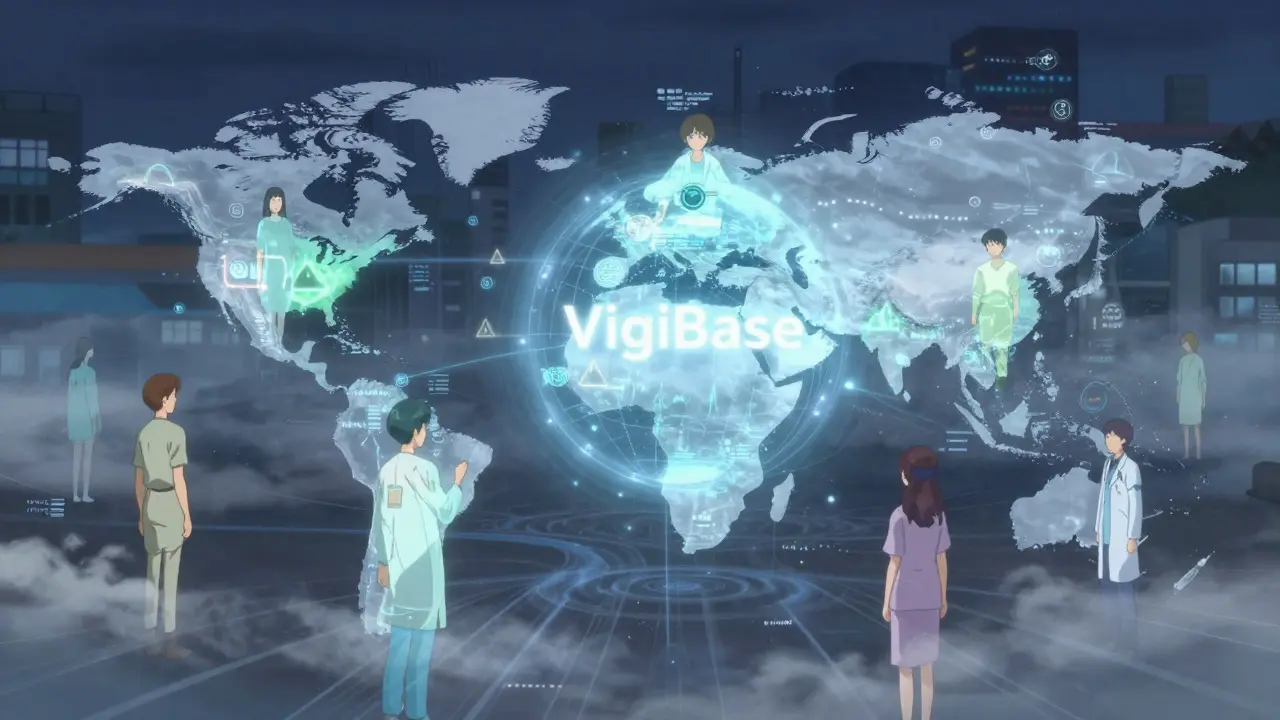
Every year, millions of people take generic medicines made in different countries. But when something goes wrong - a patient has a bad reaction, a side effect shows up months later - who tracks it? And how do regulators in the U.S., Europe, Japan, or Brazil know if the same drug is causing problems across borders? That’s where pharmacovigilance harmonization comes in. It’s not just paperwork. It’s about saving lives by making sure drug safety systems speak the same language, no matter where you are.
Why Harmonization Matters More Than Ever
Before 1990, every country had its own rules for reporting drug side effects. A drug approved in the U.S. might need 10 different safety reports to be sold in Europe, Japan, and Brazil. Companies wasted time, money, and resources just filling out forms. Patients paid the price too - delays in spotting dangerous reactions meant more harm before action was taken. The International Council for Harmonisation (ICH) changed that. Created by regulators and drug makers from the U.S., EU, and Japan, its goal was simple: one set of rules for everyone. Today, the ICH E2 series of guidelines governs how adverse events are reported, how risk plans are written, and how safety data is shared. The result? Faster detection of problems, fewer duplicate reports, and quicker access to safe medicines. The FDA estimates harmonization cuts time to market by 15-20%. That’s not just a business win - it means patients get life-saving drugs sooner. And it’s not theoretical. In 2023, Novartis cut duplicate case entry by 92% after switching to a global safety database. That’s 92% less time spent re-entering the same report for different regions.How It Works: The ICH E2 Framework
The backbone of global pharmacovigilance is the ICH E2 series. It’s not a suggestion - it’s the standard. Here’s what it covers:- E2B(R3): The electronic format for Individual Case Safety Reports (ICSRs). All major regulators now require this. It’s like a universal passport for adverse event data.
- E2E: Rules for Risk Management Plans (RMPs). What risks does the drug have? How will you monitor them? This has to be clear and consistent.
- PSURs: Periodic Safety Update Reports. These are sent regularly after a drug hits the market. The format is now standardized across 134 countries.
Where the Rules Still Diverge
Even with ICH guidelines, differences remain. And those differences cost time and money. Take reporting deadlines. In the U.S., if a serious, unexpected side effect shows up, the company must report it to the FDA within 15 days. In Europe, it depends on the drug type. Some need reporting within 7 days, others within 15 or 30. That’s not harmonization - that’s confusion. Risk Management Plans are another pain point. The EMA requires a full RMP for every new drug. The FDA only requires them for high-risk drugs - about 1.2% of all approved products. So a company making a generic blood thinner might need two different RMPs: one for the EU, one for the U.S. That’s extra work, extra cost. A 2023 survey of 152 pharmacovigilance managers found 82% still struggled with regional reporting differences. One professional on Reddit said they spent 35-40% of their time just adapting reports for different regions. That’s not efficiency. That’s friction.
Technology Is Changing the Game
The old way - humans reading paper reports - is gone. Today, AI and machine learning are speeding things up. Since 2022, the EMA and FDA have used AI to scan safety data. Their systems now detect warning signals 30-40% faster than manual reviews. Japan’s PMDA launched an AI model in 2023 that cut false alarms by 25%. That’s huge. False signals waste resources. Real signals save lives. Real-world data (RWD) is also becoming critical. The EU now requires EHR integration for signal detection. The FDA’s Sentinel Initiative tracks 300 million patient records. EMA’s DARWIN EU covers 100 million. But in Brazil, South Africa, and many other countries, less than 15% of potential RWD can even be processed. Why? No digital infrastructure. No trained staff. No funding. And here’s the kicker: 76% of leading pharma companies now require their pharmacovigilance teams to understand basic machine learning. It’s no longer enough to know how to fill out a form. You need to know how to interpret an AI alert.The Global Database: VigiBase
The World Health Organization’s VigiBase is the largest pharmacovigilance database in the world. As of 2024, it holds over 35 million individual case safety reports from 134 countries. That’s not just a number - it’s a global safety net. When a drug is sold in 50 countries, and one patient in Nigeria has a rare reaction, VigiBase can help connect the dots. Without it, that signal might be lost in a single country’s system. With it, regulators worldwide can see patterns before they become crises. But VigiBase only works if countries report. And many don’t. The Access to Medicine Foundation found that 74% of pharmacovigilance staff in low-income countries lack the tools to even meet basic ICH standards. That’s not just unfair - it’s dangerous. A drug that’s safe in Germany might be deadly in Malawi if no one’s watching.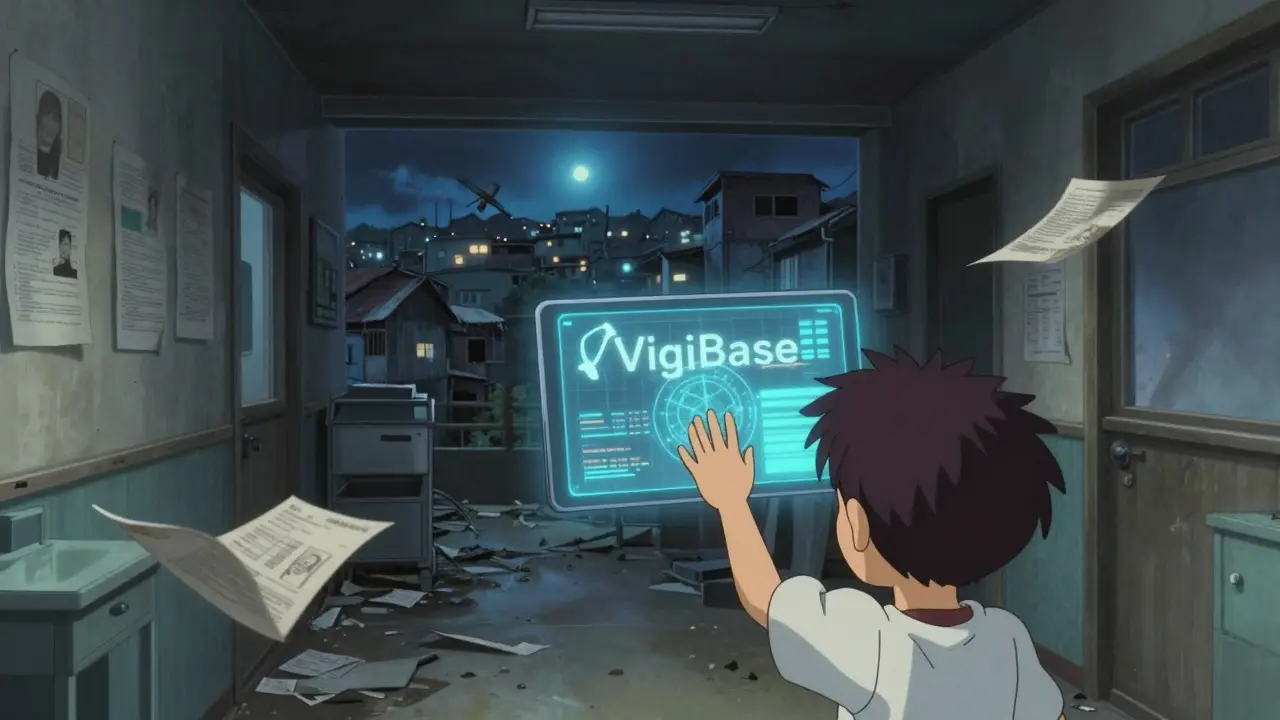
laura Drever
January 13, 2026 AT 20:07Randall Little
January 15, 2026 AT 03:30Acacia Hendrix
January 15, 2026 AT 14:56James Castner
January 17, 2026 AT 06:19Adam Rivera
January 18, 2026 AT 03:41Rosalee Vanness
January 18, 2026 AT 08:04lucy cooke
January 18, 2026 AT 08:09John Tran
January 18, 2026 AT 23:54Robin Williams
January 19, 2026 AT 19:53Scottie Baker
January 19, 2026 AT 21:09Anny Kaettano
January 21, 2026 AT 13:36Kimberly Mitchell
January 22, 2026 AT 06:46Angel Molano
January 23, 2026 AT 21:19Vinaypriy Wane
January 24, 2026 AT 19:46mike swinchoski
January 26, 2026 AT 13:29